
Your wheel bearing and CV axle work together to keep your wheels spinning smoothly and your car moving. When one of them starts to fail, you’ll usually hear it before anything else, as a hum, a click, or a growl. Ignoring those noises can turn a modest repair into a dangerous one. This guide explains what these parts do, how to spot trouble, and what to expect at the repair shop.
What Do a Wheel Bearing and CV Axle Actually Do?
A wheel bearing is a set of small steel balls or rollers held in a metal ring. It sits inside the wheel hub and lets your wheel spin with very little friction while supporting the weight of your vehicle. Every time you drive, your bearings carry the load of the car, the passengers, and everything in the trunk.
A CV axle (short for constant velocity axle) carries power from the transmission to the wheels. It has flexible joints at each end, covered by rubber boots filled with grease. These joints let the axle keep delivering power even while your wheels turn, bounce over bumps, and move up and down with the suspension. You’ll find CV axles on front-wheel-drive, all-wheel-drive, and many four-wheel-drive vehicles, as well as some rear-drive cars with independent rear suspension.
Signs of a Bad Wheel Bearing
Wheel bearings usually fail slowly, and the warning signs get louder over time. The most common one is a humming or growling noise that gets louder as you speed up. It often changes when you turn, too. If the noise gets louder when turning left, the right-side bearing may be the problem, and vice versa.
You might also notice loose or wandering steering, a vibration in the steering wheel or floor that gets worse with speed, or uneven tire wear. Many bearings include a wheel speed sensor, so an ABS or traction control warning light can be another clue, and so can a car that pulls to one side.
A simple test is to jack up the wheel safely and try to wiggle it at the top and bottom. Any clunking or play is a red flag.
Signs of a Bad CV Axle
CV axle trouble is a little different. It often starts with a torn boot, which lets the grease escape and lets dirt and water in. The classic symptom is a clicking or popping noise when turning, especially in tight turns like parking lots. You may also see grease slung around the inside of the wheel or the underside of the car. Other signs include vibration while accelerating that fades when you let off the gas, and a clunking sound when you shift between drive and reverse. If you look behind the wheel, you may spot a cracked, split, or loose rubber boot.
If you catch a torn boot early, you may be able to save the joint. Once the grease is gone and the joint is clicking, the whole axle usually needs to be replaced.
What Causes These Parts to Wear Out?
Both parts take a lot of abuse. Potholes and curbs are the biggest troublemakers, since hard hits can damage bearings and bend axles. Water and dirt are another major cause. A failed seal lets moisture in, and bearings rust and wear quickly, which is why flooded roads and heavy rain can shorten their life. CV boots can also crack from road debris, age, and heat.
Other factors add up over time. Oversized wheels, lifted suspension, heavy loads, and towing all put extra strain on these parts. Poor installation, such as cheap parts or a wrong torque spec, can cause early failure too. And of course, mileage matters. Most bearings and axles last somewhere around 85,000 to 100,000 miles, but it varies a lot.
Is It Safe to Drive With a Bad Wheel Bearing or CV Axle?
Short answer: not for long. A worn wheel bearing creates heat and friction. In the worst case, it can seize up or even cause the wheel to wobble badly or separate from the vehicle. A broken CV axle can leave you stranded because the power stops reaching the wheel. Neither one is something to put off. If you hear a noise that gets worse each day, get it checked as soon as you can.
What Does Repair Involve?
Here is a basic idea of what to expect at an auto repair shop.
For a Wheel Bearing
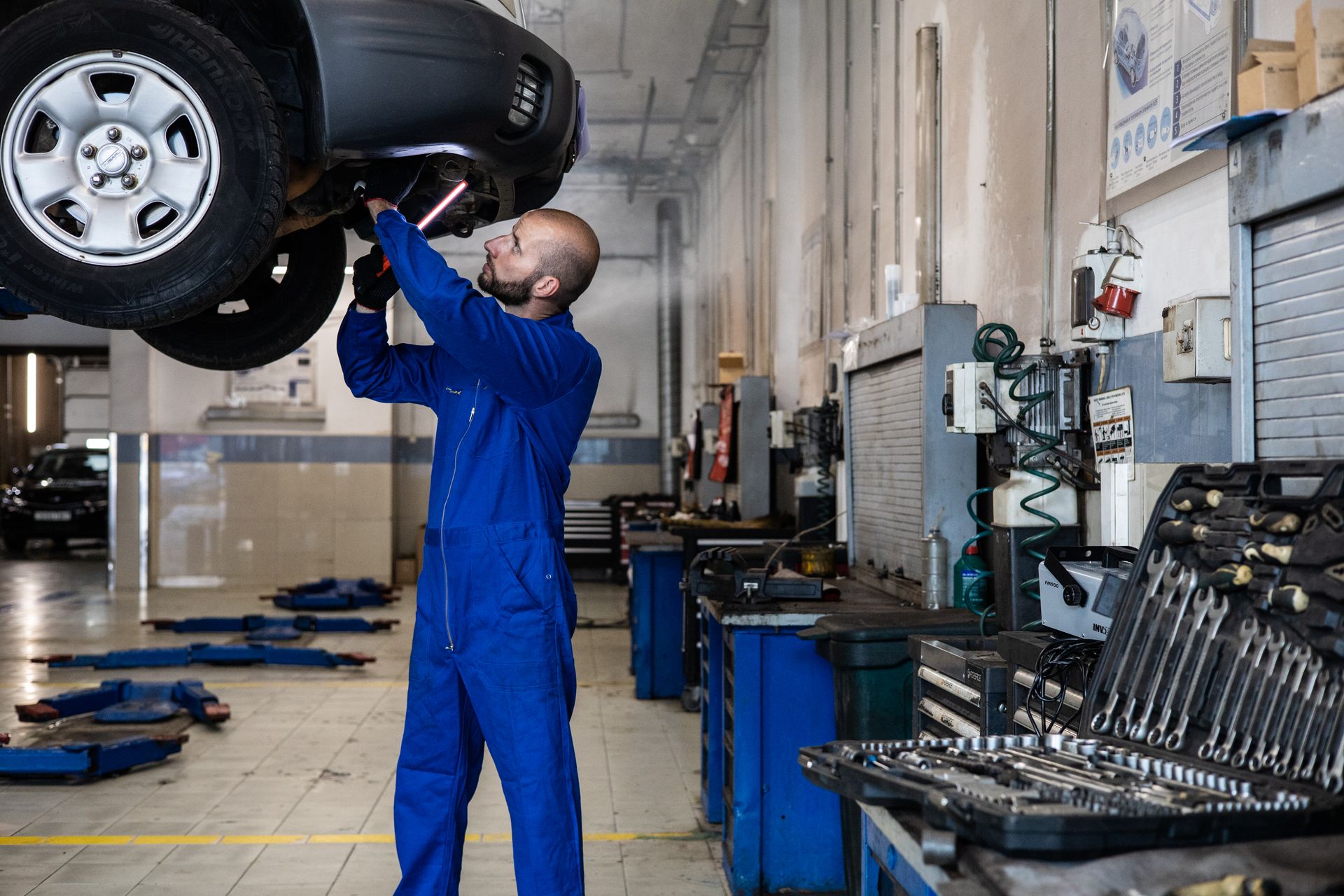
The technician lifts the vehicle, removes the wheel and brake parts, and pulls off the hub assembly. Depending on the vehicle, the bearing is either pressed out and replaced, or the entire hub assembly is swapped as one unit. The brakes are then reassembled, and the work is test-driven.
For a CV Axle
The wheel, hub nut, and suspension parts are loosened so the old axle can slide out of the transmission and the hub. A new axle goes in, and everything is tightened to the proper specs. Some shops can replace just the boot, but a full axle replacement is often more reliable and cost-effective.
Costs vary by vehicle, but as a rough guide, a wheel bearing replacement often runs from about $200 to $800 per wheel, and a CV axle from about $250 to $700 per side. Luxury and European vehicles like BMW, Audi, Mercedes, and Volkswagen tend to cost more because of parts and labor. Domestic trucks and Asian models are often easier on the wallet, but prices depend on the exact make and model.
Don’t Forget the Related Repairs
Because these parts sit right in the middle of your suspension, steering, and braking systems, a good technician will check what’s around them. Bearings sit next to your rotors and calipers, so if the brakes are worn or a rotor is damaged, it’s smart to handle brake repair at the same time. A new axle or hub can also change your wheel angles, and a wheel alignment protects your tires.
Worn ball joints, control arms, and struts can mimic bearing noise or cause bearings to wear out early, so ask about suspension repair if anything else feels loose. If an axle seal leaks transmission fluid, it needs attention before the transmission runs low, which could lead to transmission repair. And if your ABS or check engine light is on, engine diagnostics can tell whether a wheel speed sensor or bearing is to blame. Replacing everything in one visit often saves you money on labor, since many of these parts are accessed at the same time.
Should You Replace Them in Pairs?
Not always, but it’s worth discussing. Wheel bearings and axles on both sides of the car have seen the same mileage and the same roads. If one has failed, the other may not be far behind. Many shops will recommend replacing both sides, especially on high-mileage vehicles, to avoid a second trip to the shop a few months later. A technician can inspect the other side and give you an honest opinion.
Can You Do This Yourself?
Some experienced DIYers can handle an axle swap, but wheel bearing jobs often require a hydraulic press, specialty tools, and exact torque specs. Mistakes can lead to brake failure or a loose wheel. Because these parts affect your safety directly, most drivers are better off letting a trained technician do the work.
How to Make Them Last Longer
You can’t avoid wear completely, but a few habits help. Steer clear of potholes and curbs when you can, and check your CV boots during every oil change. Listen for new noises, especially humming, clicking, or clunking. Keeping your tires balanced and rotated reduces vibration and stress, and sticking to preventative car maintenance, including regular inspections of your suspension and drivetrain, catches problems early. After driving through floodwater or salty roads, rinse your wheel wells to wash away grit and moisture.
Know When to Get Help
If you notice a hum that gets louder, a click when you turn, or grease on the inside of your wheel, don’t wait. These warning signs are your car’s way of asking for help before something breaks. A quick inspection can catch the problem early, keep you safe, and help you avoid a tow.
Hearing a strange noise from your wheels? Bring your vehicle to Future Auto Repair, and our technicians will pinpoint the problem and fix it right the first time. Reach out to us today to schedule an appointment.