
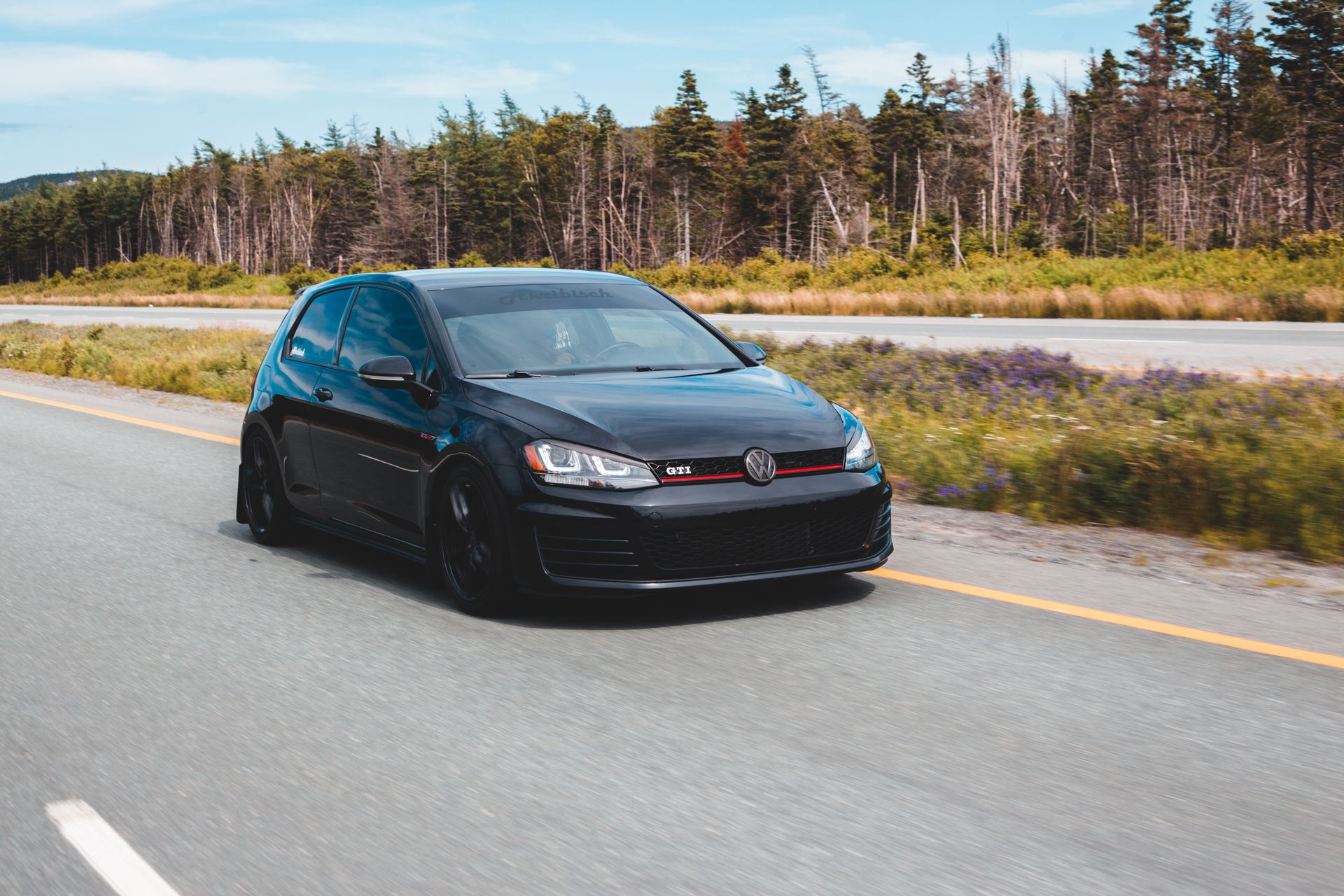
A lot of Volkswagen owners drive their car every day without realizing they have something genuinely different under the hood than a typical automatic transmission. The Volkswagen DSG transmission, or Direct-Shift Gearbox, is one of the more distinctive parts of the VW ownership experience, delivering shifts that feel sharper and quicker than a conventional automatic, but it also comes with maintenance requirements that catch a lot of owners off guard. Here’s what you actually need to know if your Volkswagen has one.
What DSG Actually Is
DSG stands for Direktschaltgetriebe, which translates to Direct-Shift Gearbox, and it works fundamentally differently than the torque converter automatic most drivers are used to. Rather than relying on fluid coupling to transfer power, a DSG is essentially two manual gearboxes combined into one unit, using two separate clutches, one handling odd-numbered gears and the other handling even-numbered gears.
While you’re driving in one gear, the transmission has already pre-selected and prepared the next gear on the other clutch, which is why shifts happen almost instantaneously compared to a traditional automatic. It’s a genuinely clever design, and it’s a big part of why VW’s performance models in particular feel so responsive.
Why DSG Requires a Different Maintenance Mindset
The tradeoff for that quick-shifting performance is a transmission that’s less forgiving of neglected maintenance than a conventional automatic. A traditional automatic’s fluid primarily lubricates and cools, and many manufacturers market that fluid as close to lifetime-rated. DSG fluid does more work. It’s also responsible for hydraulically actuating the clutches themselves.
It means that degraded fluid doesn’t just reduce lubrication, but can directly affect how well the transmission shifts and engages. This is part of why VW-specific service intervals for the DSG matter so much more than they might for a standard automatic.
Wet Clutch vs. Dry Clutch DSG
Not all DSG transmissions are built the same way, and knowing which type is in your Volkswagen matters for understanding its specific needs. Six-speed DSG units typically use a wet-clutch design, where the clutches operate submerged in fluid, which tends to be the more common setup in models like the GTI, Golf R, and older Tiguans.
Seven-speed DSG units often use a dry-clutch design instead, which operates more like a traditional manual clutch without constant fluid submersion. The service requirements differ somewhat between the two, with wet-clutch units generally needing more frequent fluid and filter service, while some dry-clutch versions have different intervals and don’t always require a filter change, though they still need regular inspections.
The Service Interval That Actually Matters
For most wet-clutch DSG transmissions, Volkswagen recommends fluid and filter service around every 40,000 miles, a considerably shorter interval than the 60,000 to 100,000 miles typical of a conventional automatic. This isn’t a conservative suggestion built in with a lot of extra cushion, but a real requirement tied to how the fluid is used inside the system. Letting DSG fluid go too long between services risks contaminating the hydraulic solenoids that control shifting, which can lead to rough or delayed gear changes, warning lights, and in more serious cases, damage to the mechatronic unit that governs the whole system.
Signs Your DSG Needs Attention
A DSG transmission that’s overdue for service, or developing a genuine problem, tends to show some recognizable symptoms. Watch for the following:
- Hesitation or delay when pulling away from a stop, which can indicate clutch wear or degraded fluid affecting engagement.
- Rough or jerky shifts that weren’t present when the car was newer or more recently serviced.
- A transmission warning light or stored fault code, since modern DSG systems monitor themselves closely and will flag developing issues.
- Shuddering or vibration, particularly at low speeds, which can point to clutch pack wear.
- Unusual noises during shifts, including whining or clunking sounds that weren’t there previously.
Why the Mechatronic Unit Deserves Special Attention
The mechatronic unit is essentially the brain of the DSG system, housing the hydraulics and electronics that control shifting, and it shares fluid with the rest of the transmission. Because of that shared fluid supply, contaminated or degraded fluid is particularly hard on the mechatronic unit’s solenoids.
A check engine light or transmission warning is often the late-stage sign of a problem that actually started with neglected fluid service well before the warning ever appeared, which is part of why staying ahead of the recommended interval matters so much more than waiting for a dashboard warning to tell you something’s wrong.
Why a Proper DSG Service Isn’t a Simple Drain and Fill
A correct wet-clutch DSG service involves more steps than a standard transmission fluid change. It requires replacing the internal transmission filter as a separate step from draining the fluid, refilling with the exact VW-specified fluid for that particular gearbox code, and setting the final fluid level using a scan tool, since DSG fluid level is temperature-dependent and the transmission doesn’t have a traditional dipstick.
This is a big part of why a quick-lube style shop isn’t equipped to properly service a DSG, and why finding a technician genuinely experienced with European auto repair, specifically Volkswagen’s dual-clutch systems, matters more here than it would for a conventional transmission.
What Happens If DSG Maintenance Is Skipped
Neglecting DSG service doesn’t just risk rough shifting, but can lead to genuine mechanical failure over time. Degraded fluid contributes to overheating within the clutch packs, accelerated wear on the mechatronic unit’s solenoids, and in severe cases, complete transmission failure that requires a far more expensive repair than the routine service would have cost. Given how central the DSG is to how a Volkswagen actually drives, this is one area where deferred maintenance carries a genuinely higher cost than it might on a less specialized system.
Getting the Right Care for Your DSG
Because DSG service requirements are specific to the transmission code in your particular Volkswagen, and because using anything other than VW-specified fluid can affect how the system performs, it’s worth having this service done by a shop that understands the nuances between different DSG variants rather than treating it like a generic transmission repair. The right shop will know exactly which fluid specification your transmission calls for and can properly set the fluid level using the correct diagnostic procedure.
Staying Ahead of DSG Problems
A DSG transmission genuinely rewards consistent maintenance. Owners who stick to the 40,000-mile interval on wet-clutch units, or the model-specific interval for their particular transmission, tend to enjoy the sharp, responsive shifting DSG is known for well into high mileage, while those who let service lapse are far more likely to run into the shifting problems and mechatronic issues that give DSG transmissions their occasionally mixed reputation.
Not sure when your DSG was last serviced, or noticing hesitation, rough shifts, or a warning light? Bring your Volkswagen in, and we’ll take care of it the right way, with the correct fluid and procedure for your specific transmission. Reach out to schedule an appointment.