
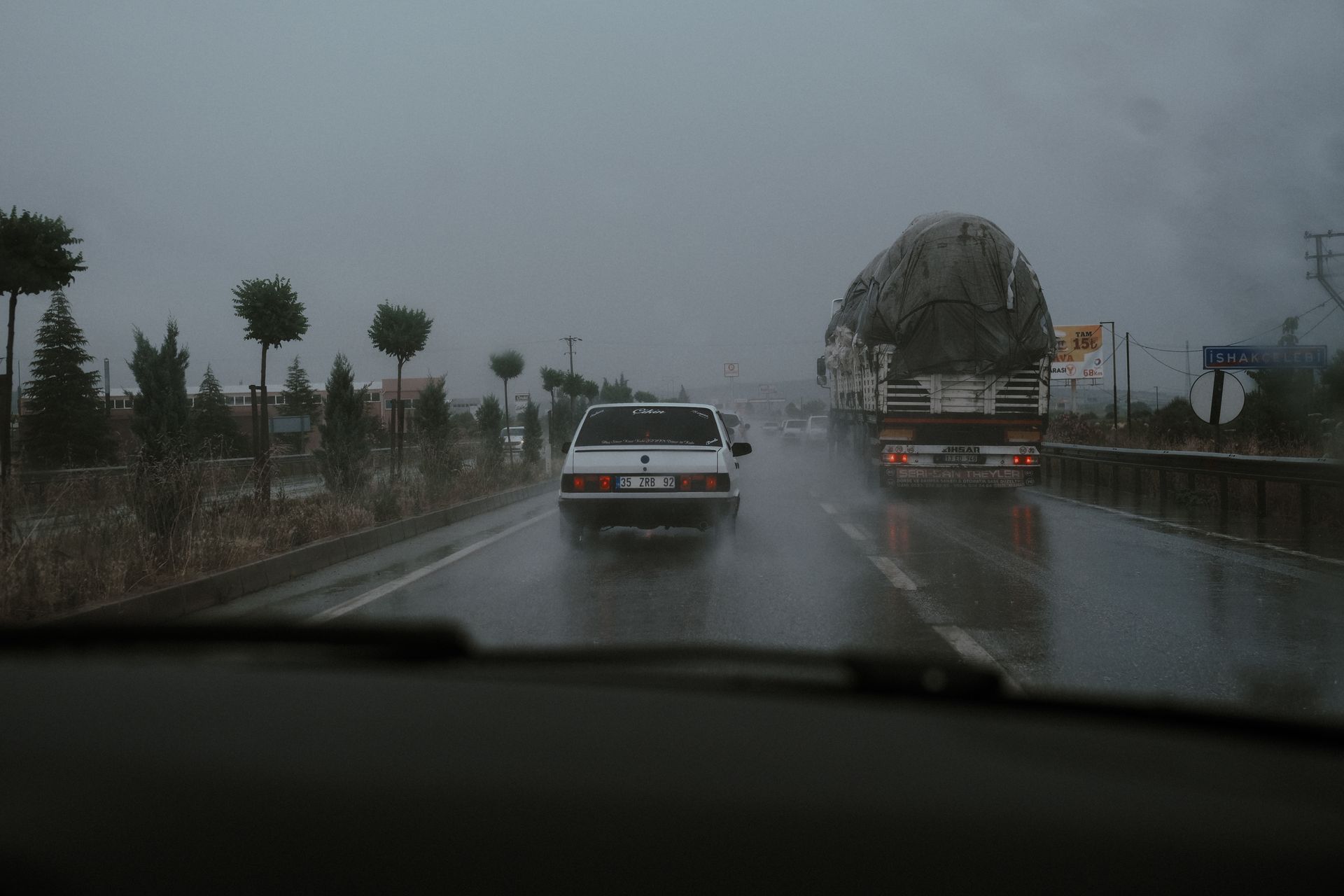
If you’ve lived in Louisiana for any length of time, you know storm season isn’t something you can just ignore. Between heavy rain, high winds, and the occasional hurricane bearing down on the Gulf, hurricane and storm season car preparation should be just as much a part of your routine as stocking up on water and batteries. Your car is often your fastest way out of harm’s way, or your only shelter if you get caught somewhere unexpected, so it needs to be ready to go when you are.
The good news is that most storm prep for your vehicle doesn’t take long, and a lot of it overlaps with regular maintenance you should already be keeping up with anyway. Here’s what to check before the next storm rolls through Bossier City.
Why Storm Season Car Preparation Actually Matters
It’s easy to think of hurricane prep as boarding up windows and grabbing extra canned food, but your vehicle plays a bigger role than most people realize. If evacuation orders come through, you need a car that starts reliably, handles flooded or debris-covered roads, and gets you where you need to go without breaking down halfway there.
On top of that, storms bring conditions that are genuinely hard on vehicles – standing water, high humidity, sudden temperature swings, and debris on the road. A car that’s already a little worn down in certain areas is far more likely to have problems show up right when you need it most.
Check Your Battery and Electrical System First
A dead battery is one of the most common reasons people get stranded before or after a storm, and it’s also one of the easiest things to catch ahead of time. Heat and humidity, both of which Louisiana has in spades, wear down batteries faster than milder climates.
Before storm season hits, it’s worth getting your battery tested rather than just guessing. If you’ve read our post on hybrid maintenance, you already know how important a healthy battery is, and that goes for the 12-volt battery in every vehicle, not just hybrids. While you’re at it, have your alternator checked too, since a weak alternator can drain a perfectly good battery without you realizing it until it’s too late.
Tires, Brakes, and Wheel Alignment
Wet roads and standing water put a lot more demand on your tires and brakes than normal driving conditions. Worn tread means less grip when you need it most, and brakes that are already on the weaker side can struggle to stop quickly on slick pavement. This is a good time to run through a quick pre-storm checklist:
- Check tire tread depth and overall condition, including the spare,
- Make sure tire pressure is correct (it fluctuates with temperature changes),
- Have your brakes inspected if it’s been a while since your last check,
- Get your wheel alignment checked if the car pulls to one side or the steering wheel isn’t centered,
- Test your windshield wipers and top off washer fluid,
- Check that all exterior lights are working, since storm visibility can get bad fast.
Running through this list now, before a storm is on the radar, means you’re not scrambling to find an open shop the night before evacuation orders come down.
Don’t Forget the Cooling System and AC
It might seem backwards to think about your radiator during hurricane season, but the stretch of heat and humidity before and after a storm can push your cooling system just as hard as the middle of summer. An overheating engine in stop-and-go evacuation traffic is the last thing you want to deal with.
Similarly, your AC isn’t just about comfort here. If you’re stuck in traffic for hours during an evacuation, a working AC system matters a lot more than people expect, especially with kids, pets, or elderly family members in the car. If your AC hasn’t been blowing as cold as it should, get it looked at before storm season, not during it.
Think About What’s Under the Hood, Too
If your vehicle has been showing any warning signs lately, such as hesitation, strange noises, or dashboard lights, storm season is not the time to put off getting it checked. Knowing the early signs of transmission trouble can help you catch problems before they turn into major repairs. Taking care of transmission issues early also reduces the risk of a breakdown. That’s especially important if you need to rely on your car to get your family somewhere safe during severe weather.
If you’re shopping for a vehicle before storm season, it’s important to know what to check before buying a used car. A thorough pre-purchase inspection can reveal hidden problems and help you choose a dependable vehicle that’s ready when you need it most.
Build a Basic Car Emergency Kit
Beyond mechanical prep, it’s smart to keep a small emergency kit in your car during storm season. A flashlight, extra phone charger, some bottled water, a first aid kit, and a few basic tools can make a big difference if you end up stuck somewhere waiting out weather or traffic. It’s a simple step, but it’s one people tend to forget until they actually need it.
After the Storm Matters Too
Once the storm passes, don’t assume your car came through fine just because it looks okay on the outside. Standing water, debris, and sudden humidity changes can cause issues that aren’t obvious right away, especially with electrical components and the cooling system. If your car was driven through any standing water, or even just sat outside through severe weather, it’s worth having it looked over before you get back into your normal routine.
Let Future Auto Repair Help You Get Storm Ready
Storm season car preparation doesn’t have to be complicated, but it does need to happen before the storm is already on the way. At Future Auto Repair, we help drivers throughout Bossier City, LA get their vehicles storm-ready every year, from battery testing and brake repair to wheel alignment and full engine diagnostics.
Contact us or stop by our shop at 2250 Benton Road, Bossier City, LA to get your vehicle checked out before the next storm hits. A little prep now can save you a lot of stress when the weather turns.