
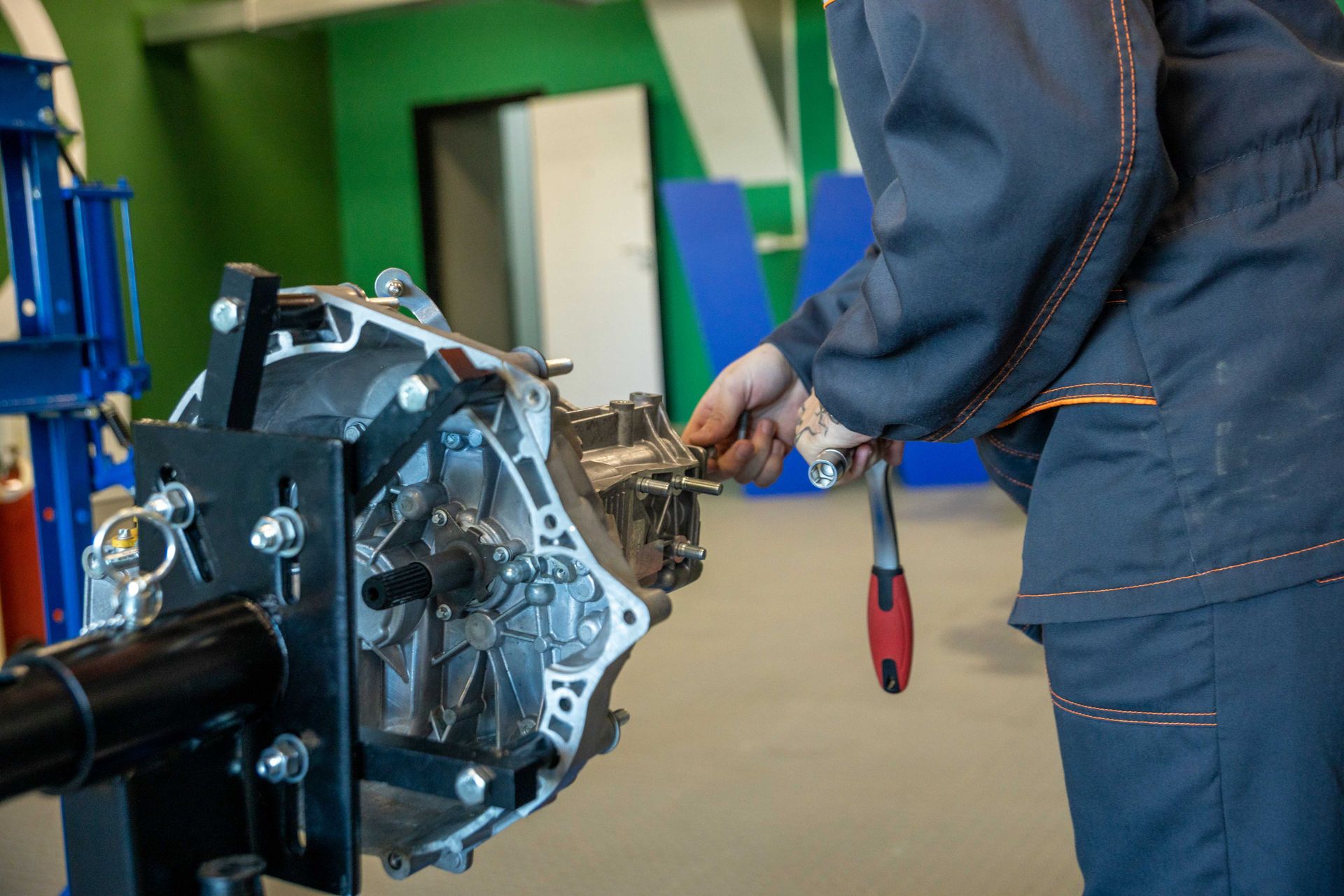
Your transmission is one of those parts of your car you probably don’t think about much, until it starts acting up. Unlike a flat tire or a dead battery, transmission problems tend to sneak up on you. Signs your transmission needs attention start small: a little hesitation here, a weird noise there. Then one day you’re stuck wondering why your car won’t shift right, and the repair bill suddenly looks a lot bigger than it needed to be.
The good news is that your transmission almost always gives you warning signs way before it fails completely. If you know what to look (and listen) for, you can catch problems early, save money, and avoid getting stranded on the side of the road here in Bossier City, LA.
Why Your Transmission Matters So Much
Think of your transmission as the middleman between your engine and your wheels. It takes the power your engine creates and delivers it to the wheels at the right speed, whether you’re crawling through traffic on Airline Drive or merging onto I-20. When it’s working right, you barely notice it. When it’s not, everything about driving your car starts to feel off.
Transmissions are also one of the more expensive systems to repair or replace, which is exactly why catching small issues early matters so much. A minor fluid top-off or sensor fix now is a lot easier on your wallet than a full transmission rebuild later.
Common Signs Your Transmission Needs Attention
So how do you know when something’s actually wrong versus just an old car doing old car things? Here are the signs most drivers notice first:
- Delayed or rough shifting – Your car hesitates before shifting gears, or the shift feels like a hard jolt instead of a smooth transition
- Slipping gears – The engine revs up, but the car doesn’t accelerate like it should, almost like the transmission “lost its grip”
- Strange noises – Whining, humming, or clunking sounds when the car is in gear or shifting
- Burning smell – A sharp, burnt odor can mean the transmission fluid is overheating or breaking down
- Fluid leaks – Reddish or brownish spots under your car, especially near the middle
- Warning lights – Your check engine light or a dedicated transmission light turning on
- Grinding or shaking – Especially noticeable when shifting from park to drive, or between gears
If you’re noticing even one or two of these regularly, it’s worth getting your car looked at before it turns into a bigger issue.
Automatic vs. Manual – Do the Signs Differ?
Most of these warning signs apply whether you’re driving an automatic or a manual, but there are a few differences worth knowing.
With an automatic transmission, you’ll usually notice slipping, delayed engagement, or rough shifts between gears without you doing anything. With a manual, the clutch tends to show trouble first – things like a spongy or sticking clutch pedal, grinding when shifting, or the gear popping back out of place on its own. Either way, the underlying message is the same: something inside the transmission isn’t working the way it should, and it’s time for a professional to take a look.
What Causes Transmission Problems in the First Place?
Transmission trouble doesn’t usually come out of nowhere. A few common culprits include:
- Low or dirty transmission fluid – Fluid keeps everything inside your transmission cool and lubricated. Old or low fluid is one of the most common (and most preventable) causes of transmission wear
- Worn clutch components – Especially in manual transmissions, normal wear over time can lead to slipping or grinding
- Overheating – Heavy towing, stop-and-go traffic, and Louisiana summer heat can all push your transmission temperature higher than it should be
- Electrical or sensor issues – Modern transmissions rely on sensors and computer modules, and a faulty sensor can cause shifting problems even if the transmission itself is fine
- Deferred maintenance – Skipping scheduled fluid changes and inspections lets small issues build into bigger, costlier ones
This is really where preventative car maintenance earns its keep. A lot of transmission repairs are avoidable with routine fluid checks and inspections built into your regular maintenance schedule.
When Should You Get It Checked?
Honestly, the moment something feels off is the right time. You don’t need to wait until your car won’t shift at all. If you notice a new noise, a delay when you shift into drive, or a burning smell you can’t explain, get it checked out. Transmission issues rarely get better on their own, and driving on a slipping or overheating transmission can cause damage that spreads to other parts of your drivetrain.
It’s also smart to have your transmission looked at as part of routine service, even if nothing seems wrong yet. A quick inspection and fluid check during an oil change or preventative maintenance visit can catch small problems long before they show up as symptoms you’d notice from the driver’s seat.
Why Diagnostics Matter Here
One thing worth knowing: transmission symptoms can sometimes look like other issues, and other issues can sometimes look like transmission trouble. A misfiring engine, a bad sensor, or even worn engine mounts can cause shifting or shaking that feels like a transmission problem but isn’t. That’s why proper engine diagnostics are such an important first step. Instead of guessing (or paying for parts you don’t need), a good diagnostic check pinpoints exactly what’s going on so the repair actually fixes the problem.
Trust the Experts at Future Auto Repair
Transmission issues aren’t something to put off or try to diagnose yourself in the driveway. If your car is hesitating, slipping, making strange noises, or just doesn’t feel right when it shifts, it’s time to bring it to people who know what they’re looking at.
At Future Auto Repair, we’ve been taking care of drivers in Bossier City, LA, for a long time, and transmission repair is one of the services we handle every day. Whether you’re driving a domestic vehicle, a diesel truck with a Cummins, Duramax, or Power Stroke engine, or a European model like a BMW, Audi, or Mercedes, our team has the tools and know-how to diagnose the issue accurately and get it fixed right the first time.
Don’t wait for a small transmission problem to turn into a major repair. Contact us or stop by our shop to schedule an inspection today. Catching it early could save you a lot of time, money, and headache down the road.