
If you’ve ever gotten a quote for brake repair and thought, “wait, why is this more than I expected?” you’re not alone. How much does a brake job cost is one of the most common questions we get, and honestly, it’s a fair one. The problem is there’s no single answer, because the actual cost depends on a handful of factors that are different for every car and every situation.
Instead of throwing out a number that might not apply to your vehicle at all, let’s walk through what actually goes into a brake job, and why the price can vary so much from car to car.
Brakes Aren’t Just “One Thing”
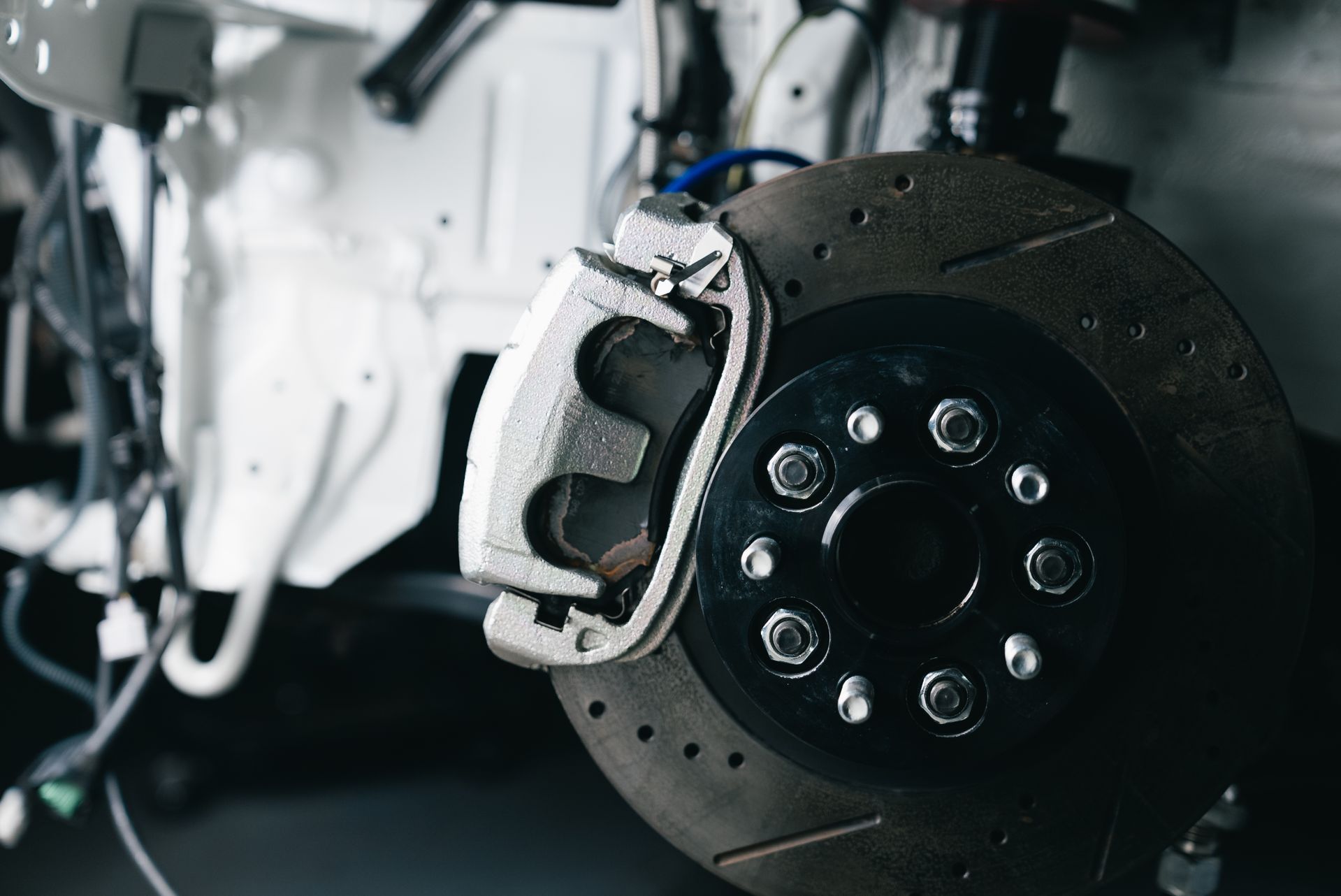
A lot of people think of “brakes” as a single repair, but your braking system is actually made up of several components working together, and not all of them need attention at the same time. Depending on what’s worn or damaged, a brake job could mean anything from a simple pad swap to a much more involved repair.
This is exactly why two people can ask “how much for a brake job” and get two completely different answers, even if they’re driving similar cars.
What Actually Affects the Cost of a Brake Job
Here are the biggest factors that go into pricing out brake repair:
- What actually needs to be replaced – Pads alone cost less than pads plus rotors, and it goes up further if calipers, brake lines, or the master cylinder are involved
- Front vs. rear brakes – Front brakes typically wear faster and often cost more to service than rear brakes, though this varies by vehicle
- Parts quality – OEM (original manufacturer) parts generally cost more than aftermarket parts, though aftermarket doesn’t necessarily mean lower quality
- Make and model – Brake repair for a European vehicle like a BMW or Mercedes often costs more than a comparable domestic car, due to parts pricing and labor complexity
- How long you waited – Catching worn pads early is far less expensive than waiting until the rotors are damaged or the calipers are affected
- Labor time – Some vehicles are simply more time-consuming to work on due to design, which affects labor cost regardless of parts
Because of all these variables, the only way to get an accurate number for your specific car is to have it inspected.
Why Waiting Almost Always Costs You More
This is probably the most important thing to understand about brake job cost: brake problems get more expensive the longer you wait. Worn pads left too long can start grinding into the rotors, turning what would have been a simple pad replacement into a pad-and-rotor job. In more serious cases, neglected brakes can damage calipers or other components, which adds even more to the repair.
Paying attention to early warning signs of transmission trouble can help you catch problems before they become major repairs. Like many vehicle issues, addressing transmission problems early is usually much easier on your wallet than waiting until they become more serious.
OEM vs. Aftermarket Parts
One decision that affects brake job cost directly is whether you go with OEM parts or quality aftermarket parts. OEM parts are made by (or for) your vehicle’s manufacturer and are built to the exact original spec. Aftermarket parts are made by other manufacturers and can range widely in quality, from parts that perform just as well as OEM to parts that wear out much faster.
A good shop should be able to walk you through your options and explain the tradeoffs, rather than just picking one for you without discussion. This is especially relevant if you’re driving a European vehicle, where OEM parts pricing tends to run higher than what you’d see with a domestic car.
Why Vehicle Type Makes a Real Difference
Brake job cost isn’t the same across the board, and vehicle type plays a big role in that. A few examples of what can drive cost up or down:
Diesel trucks and larger vehicles often have bigger, heavier-duty brake components designed to handle more weight and towing capacity, which can affect both parts and labor cost. European vehicles like BMW, Audi, Mercedes, or Volvo frequently use more advanced braking systems and specialized parts, which tends to push costs higher than a comparable domestic vehicle. Hybrid vehicles, on the other hand, often see less brake wear overall thanks to regenerative braking, which can actually extend the time between brake jobs and reduce long-term cost It’s a well-known hybrid maintenance fact.
The Value of an Honest Inspection
The best way to actually understand your brake job cost is a proper inspection, not a guess based on mileage or a number pulled from a quick search. A good technician will check pad thickness, rotor condition, caliper function, and brake fluid before recommending anything, so you’re only paying for what your car actually needs.
This also protects you from the opposite problem: paying for a full brake job when all you really needed were pads. An honest shop tells you the difference.
Ask for a Clear, Itemized Quote
Whenever you’re getting brake work done, it’s reasonable to ask for a clear breakdown of what you’re paying for: parts, labor, and any additional services like resurfacing or fluid flushes. A shop that’s upfront about pricing and willing to explain the “why” behind a quote is a good sign you’re in the right hands.
Get an Accurate Quote From Future Auto Repair
Since brake job cost depends so heavily on your specific vehicle and what it actually needs, the best next step is a real inspection rather than a guess. At Future Auto Repair, we take the time to check your brakes thoroughly and walk you through exactly what’s needed and why, whether you’re driving a domestic car, a diesel truck, a hybrid, or a European vehicle like a BMW or Audi.
Contact our team or stop by our shop at 2250 Benton Road, Bossier City, LA for a brake inspection and honest quote. No guesswork, no surprises, just a clear picture of what your car actually needs.