
It happens to almost every driver at some point. You are cruising down the road, the car feels completely normal, and then that little amber light glows to life on your dashboard. No strange noises, no rough running, no obvious problems. But why is the check engine light on? Do you need to start worrying?
The honest answer is that you should not ignore it, even when the car seems fine. The light does not always mean something is about to fail right now, but it does mean your vehicle’s computer has detected something outside normal operating parameters and logged a fault code. Sometimes it is minor. Sometimes it is the early warning of something that will become expensive if left alone. The only way to know is to have it properly diagnosed.
What the Check Engine Light Actually Is
Modern vehicles are equipped with an onboard diagnostics system that monitors sensors throughout the engine, transmission, emissions system, and fuel system in real time. When any reading falls outside the acceptable range, the computer logs a fault code and turns on the check engine light.
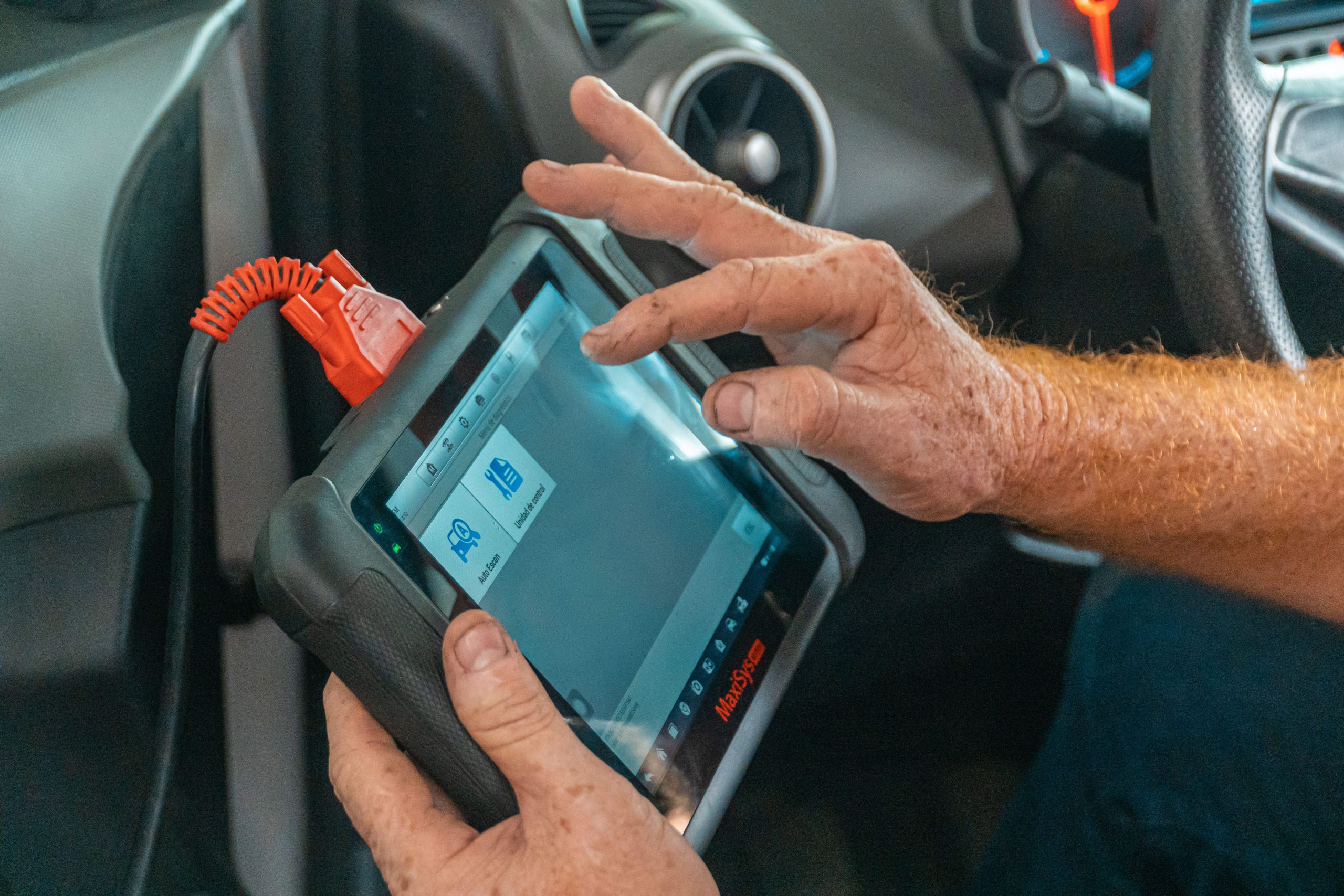
The light itself does not tell you what is wrong. It is simply the messenger. The actual information lives in the stored codes, which a technician reads using a diagnostic scan tool. Clearing the code without fixing the cause just turns the light off temporarily. It will come back.
The Most Common Reasons the Check Engine Light Comes On
There are hundreds of possible fault codes that can trigger the check engine light, but a handful of causes show up far more often than the rest. Here are the most common ones, particularly for drivers in the Bossier City area:
- Loose or faulty gas cap: The most frequent non-serious cause. If the light came on shortly after a fuel stop, try tightening the cap first.
- Oxygen sensor failure: A faulty O2 sensor sends incorrect data to the engine computer, hurting fuel economy and potentially damaging the catalytic converter over time.
- Catalytic converter efficiency fault: Does not always cause noticeable drivability issues right away, but a failing catalytic converter will eventually affect performance and is not a cheap repair to delay.
- Mass airflow sensor issues: A dirty or failing MAF sensor causes hesitation, rough running, and reduced fuel economy.
- Spark plug or ignition coil faults: A misfiring cylinder may or may not be noticeable depending on severity, but unaddressed misfires stress the catalytic converter and can cause additional damage.
- EVAP system leaks: Small leaks in the evaporative emissions system rarely cause drivability issues but do not resolve themselves.
- EGR or emissions system faults: Common on diesel trucks and newer gasoline vehicles. Worth addressing promptly since these can compound into more expensive problems.
When the Check Engine Light Means Something More Serious
Most of the causes above will not leave you stranded today, but the gap between catching a problem early and catching it late can be the difference between a reasonable repair and a major one. On diesel trucks running a Cummins, Duramax, or Power Stroke engine, check engine lights related to the fuel system, cooling system, or turbocharger deserve prompt attention regardless of how the truck feels in the moment.
One thing worth knowing: a flashing check engine light is different from a steady one. A steady light means diagnose it soon. A flashing light means an active misfire is severe enough to damage the catalytic converter right now. If yours is flashing, reduce speed and get to an auto repair shop as soon as possible.
Does It Matter What Kind of Car You Drive?
The check engine light works the same way across virtually all modern vehicles, but the specific causes and their implications can vary by make and platform.
European Vehicles
European vehicles from brands like BMW, Mercedes, Audi, Volkswagen, Volvo, Porsche, MINI Cooper, and Land Rover often have more complex fault code systems with additional manufacturer-specific codes that go beyond the standard OBD-II library. European auto repair shops with the right diagnostic equipment can read these codes accurately. A generic code reader from a parts store will read the basic codes, but may miss the deeper diagnostic information these vehicles store.
Asian Vehicles
Asian vehicles, including Toyota, Honda, Nissan, Subaru, Hyundai, and Kia, are generally well documented and straightforward to diagnose with proper equipment. However, Asian auto repair specialists know that some models have recurring fault codes that should be diagnosed properly rather than addressed by simply replacing parts.
Diesel Trucks
On diesel trucks, whether you are running a Cummins, Duramax, or Power Stroke engine, a check engine light often deserves extra attention. These engines rely on emissions, fuel, and turbocharger systems that work together, so a seemingly minor fault can lead to larger problems if ignored. Diesel repair shops with platform-specific diagnostic tools and experience are best equipped to identify and correct the root cause.
What You Should and Should Not Do When the Light Comes On
A lot of drivers head to a parts store when the check engine light comes on because many of them will read fault codes for free. That is not a bad first step for getting a general idea of what area the fault is in. But a fault code is not a diagnosis.
A code that says oxygen sensor circuit low voltage does not necessarily mean the oxygen sensor is bad. It means the circuit is reading low voltage, which could be a bad sensor, a wiring fault, an exhaust leak upstream of the sensor, or a fuel delivery issue causing the exhaust composition to be outside normal range. A proper engine diagnostics evaluation goes beyond reading the code to actually finding the root cause.
What You Should Not Do
What you should not do is simply clear the code without fixing anything. Some people do this, hoping the light stays off, but all it does is reset the counter. If the underlying issue is still present, the code will return, usually within a short drive. Repeatedly clearing codes also erases the freeze frame data the computer stores when the fault occurred, which is useful diagnostic information that helps a technician understand the conditions under which the fault was triggered.
Don’t Ignore a Check Engine Light
The check engine light on a car that seems to be driving fine is one of the most common scenarios that leads to avoidable repair bills. The car feels okay today. The light has been on for a week, and nothing bad has happened. It starts to feel like the light does not really mean anything. Then the catalytic converter fails, or the misfiring cylinder washes down the cylinder wall, or the oxygen sensor that was running rich for three months finally catches up with fuel economy and engine deposits.
Preventative car maintenance means paying attention to what your vehicle is telling you, even when the message seems easy to dismiss. A check engine light diagnosis at a trusted auto repair shop is a straightforward service that gives you real information about what your vehicle needs. It is far less expensive than the repairs that follow from ignoring it.
Schedule a Professional Check Engine Light Diagnosis
Future Auto Repair in Bossier City handles check engine light diagnostics and engine diagnostics for all makes and models, from domestic vehicles and Asian auto repair to European auto repair and diesel trucks. If your check engine light is on, don’t wait for a minor issue to become a costly repair.
Contact Future Auto Repair today to schedule a professional diagnostic inspection. Our experienced technicians will identify the root cause of the warning light, explain your repair options, and get you back on the road with confidence.