
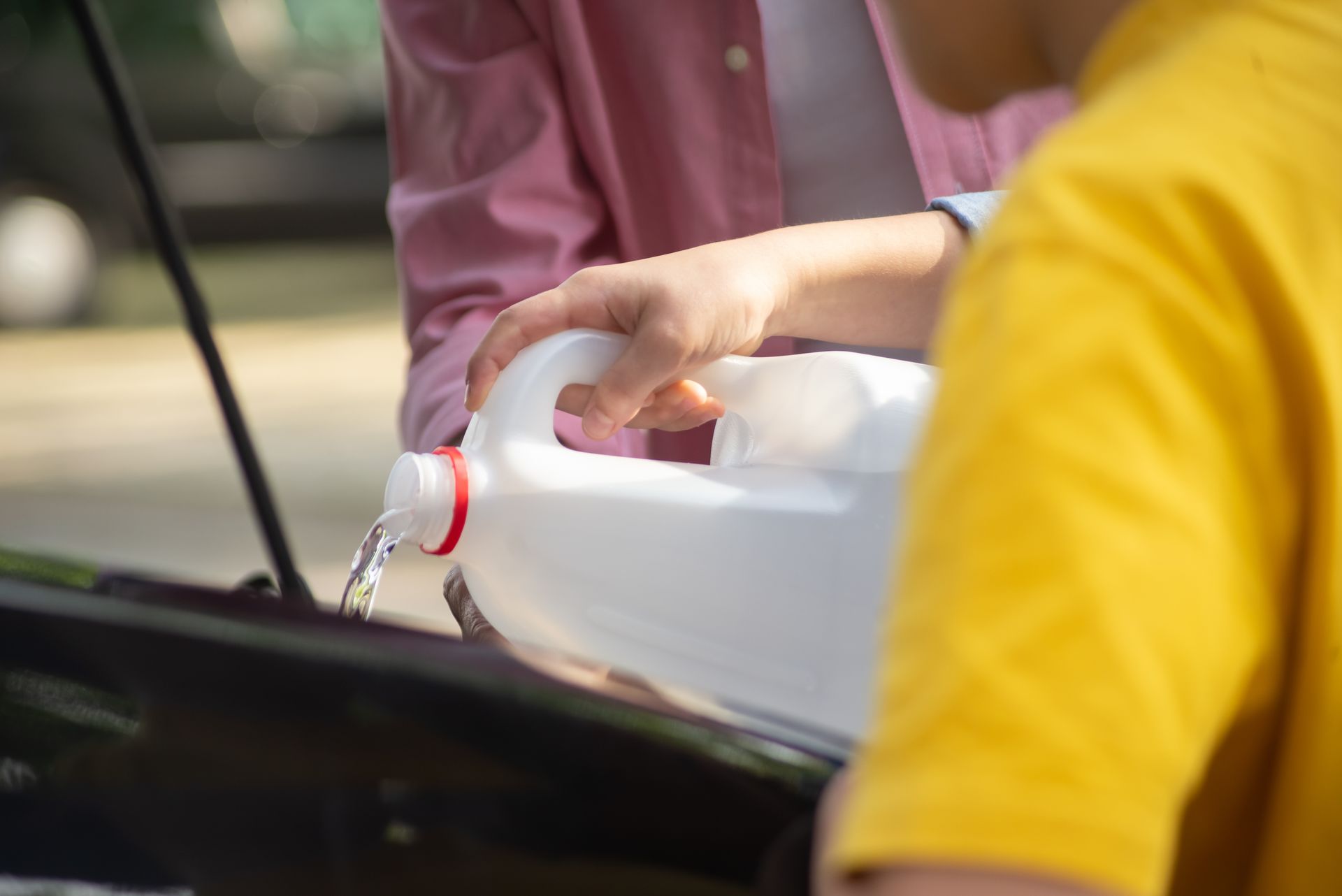
Coolant is one of those fluids that quietly does its job for years without much thought, right up until it doesn’t, and by then you’re usually dealing with overheating or worse. Unlike an oil change, where most drivers know the general rule of thumb, when should you actually flush your coolant? Coolant flush timing tends to be a lot more confusing, especially since the right interval depends on your vehicle, coolant type, and driving conditions. Here’s a real, practical answer to when you actually need one.
Why Coolant Breaks Down Over Time
Coolant isn’t just water with some antifreeze properties mixed in. It contains additives designed to prevent corrosion, lubricate the water pump, and protect metal and rubber components throughout your cooling system. Over time, heat cycles and general use break those additives down, and the coolant gradually loses its ability to protect the system the way it did when it was fresh. Once that happens, old coolant can actually become mildly acidic and start contributing to corrosion inside the very system it was supposed to protect.
The General Interval Guideline
There’s no single universal number that applies to every vehicle, since it depends heavily on the type of coolant your car uses and the manufacturer’s specific recommendations. That said, most vehicles using traditional coolant fall somewhere in the range of every 30,000 to 50,000 miles, or roughly every two to five years, whichever comes first.
Vehicles using extended-life coolant, often labeled OAT or HOAT formulations, can frequently stretch much further, sometimes up to 100,000 to 150,000 miles or five years, depending on the manufacturer’s specific formulation. The only truly reliable way to know your specific interval is to check your owner’s manual, since manufacturers set these numbers based on the exact coolant type their engineering team designed the system around.
Why Mileage Alone Doesn’t Tell the Whole Story
Time matters just as much as mileage when it comes to coolant, which surprises a lot of drivers. Coolant additives degrade gradually just from sitting in the system, even if the car isn’t being driven much. A vehicle that only puts on 5,000 miles a year can still need a coolant flush on a similar timeline to one that’s driven much more, simply because the clock is running regardless of how many miles show up on the odometer. This is part of why manufacturers list both a mileage figure and a time-based figure, and why it’s worth going with whichever one comes first rather than assuming low mileage automatically means you’re in the clear.
What Actually Shortens the Interval
A few real-world conditions can mean your coolant needs attention sooner than the standard interval suggests:
- Frequent towing or hauling heavy loads, since the added strain raises operating temperatures and puts extra stress on the cooling system.
- Extreme heat or consistently hot climates, where the cooling system works harder overall, and coolant additives break down faster.
- Heavy stop-and-go traffic, which keeps the engine running hotter for longer stretches compared to steady highway driving.
- A vehicle with unknown maintenance history, particularly a used car where you can’t confirm when the coolant was last serviced. In these cases, it’s worth having the system inspected right away rather than assuming it’s fine.
- Any recent cooling system repair, such as a new thermostat, water pump, or hose, since these repairs are a natural point to refresh the coolant as well.
Signs Your Coolant Needs Attention Now
Beyond following a general interval, a few warning signs can tell you it’s time regardless of mileage. A temperature gauge that runs hotter than normal, or a car that overheats more easily than it used to, can point to coolant that’s lost its ability to transfer heat effectively. Coolant that looks rusty, cloudy, or has visible particles floating in it, rather than its normal clean color, is a clear sign it’s overdue. A sweet smell coming from the engine bay can also indicate a coolant issue, sometimes pointing to a leak rather than just old fluid, and it’s worth having looked at either way.
Why a Flush Is Different Than Just Topping Off
It’s worth understanding the difference between simply adding coolant when the level looks low and doing an actual flush. Topping off replaces lost volume but does nothing to remove the old, degraded coolant that’s still circulating through the system. A full flush clears out the old fluid entirely, along with any accumulated contaminants, and replaces it with fresh coolant throughout the radiator, hoses, heater core, and engine block. If your system has gone a long time without a real flush, simply topping it off periodically isn’t accomplishing the same thing, even if the fluid level always looks fine.
What Happens If You Skip It
Neglecting coolant flushes for too long carries real consequences. Degraded coolant loses its ability to prevent corrosion, which can lead to rust and scale buildup inside the radiator, water pump, and engine block. That buildup can eventually restrict coolant flow, contributing to overheating, and in more severe cases, corrosion can damage components that are far more expensive to replace than a routine flush would have cost. Radiator repair and even more serious engine damage become genuine risks the longer old, acidic coolant is left circulating through the system.
Getting It Done Right
Because a proper flush involves clearing the entire cooling system rather than just the radiator, and because using the wrong coolant type for your specific vehicle can cause its own problems, it’s generally worth having it done by a shop rather than attempting it without the right equipment. A professional flush also gives a technician the chance to inspect hoses, the water pump, and other cooling system components while everything is already being serviced, catching small issues before they turn into bigger ones.
Know When to Flush the Coolant Professionally
When it comes down to it, the safest approach is to follow your owner’s manual’s specific interval, but pay attention to real-world factors like towing, extreme heat, and your vehicle’s actual maintenance history rather than treating the general guideline as an absolute rule. Combined with watching for warning signs like an overheating gauge or discolored coolant, that approach will keep your cooling system protected without over-servicing or under-servicing it.
If you’re wondering whether your coolant is still doing its job, don’t wait for an overheating warning to find out. Our team can inspect the cooling system, check the condition of the coolant, and spot potential problems before they turn into a roadside headache. Visit Future Auto Repair or give us a call to schedule your appointment.