
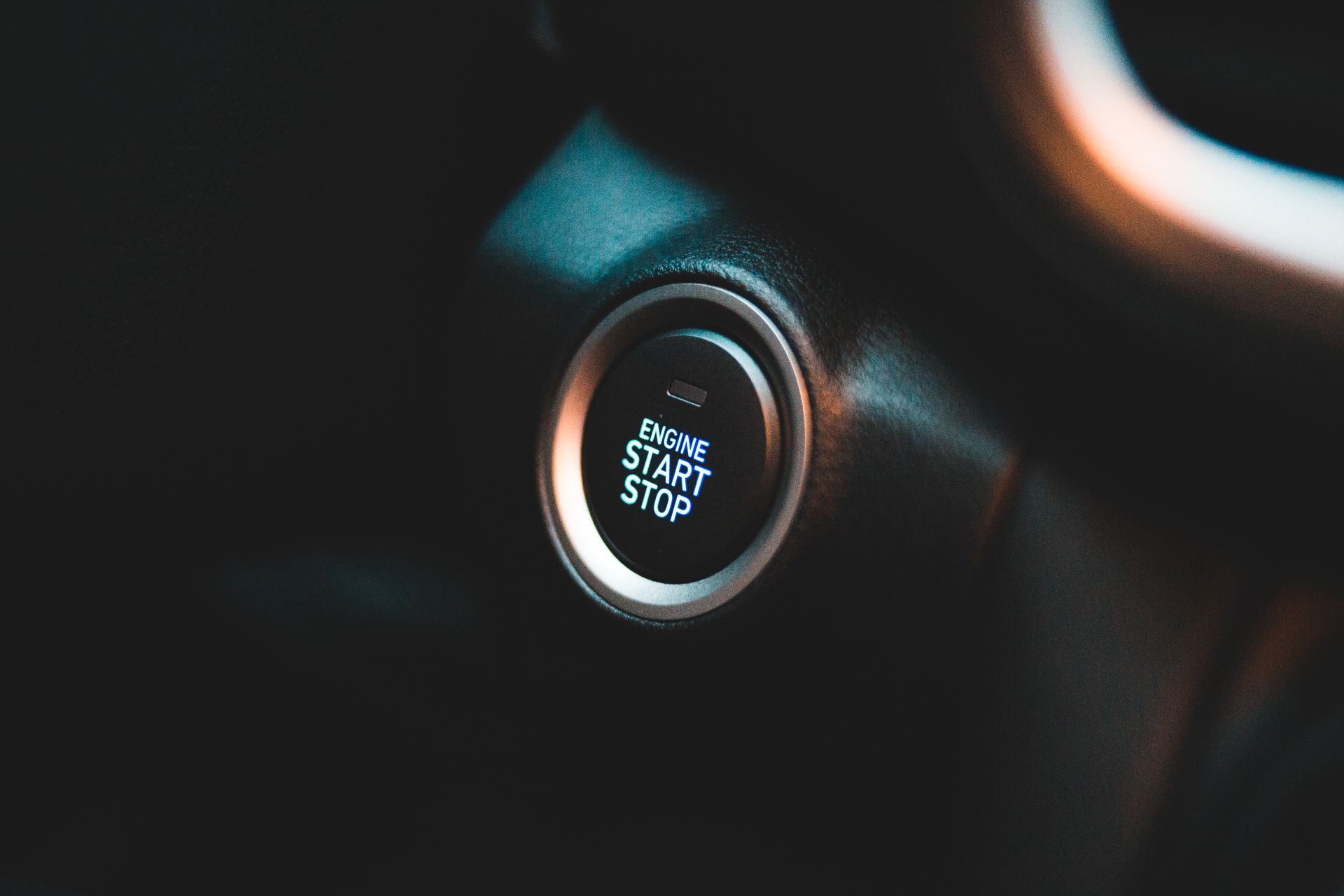
Perhaps you thought that understanding what’s happening inside an engine during a cold start isn’t important. However, every time you turn the key or press the start button after your car has been sitting for a while, your engine goes through the single most demanding moment of its entire operating life. It’s not the highway miles, the towing, or the long road trips that wear an engine down the fastest. It’s actually those first few seconds after startup, repeated day after day, year after year. And it matters so much more than most drivers realize.
Why “Cold” Is the Key Word
When people talk about a cold start, they’re not just referring to winter weather. A cold start happens any time an engine has been sitting long enough for its internal temperature to drop back down to the surrounding air temperature, which can happen overnight, over a workday, or even after just a few hours of sitting in certain conditions. What makes this moment so different from an engine that’s already warmed up is that almost everything inside it is working under conditions it wasn’t really optimized for.
The Oil Problem: Starting Dry
When an engine sits, oil doesn’t stay coating every surface the way it does while running. Gravity pulls it down into the oil pan, leaving many of the engine’s internal components essentially dry, or coated with only a thin residual film. The moment you start the engine, metal parts like the crankshaft, camshaft, and cylinder walls begin moving and rubbing against each other before fresh oil has had time to fully circulate and build proper pressure throughout the system.
This brief window, often just a few seconds, is when an engine experiences some of its highest friction and wear of its entire operating cycle. Cold oil is also thicker than warm oil, which means it flows more slowly and takes longer to reach every part of the engine that needs lubrication. This is a big part of why oil choice matters so much, and why sticking to a proper oil change schedule with oil that matches your manufacturer’s specifications makes a real difference in how well your engine survives these repeated cold starts over its lifetime.
The Fuel and Combustion Challenge
Cold starts also create challenges for how fuel burns inside the engine. Gasoline doesn’t vaporize as easily in cold temperatures, which makes it harder to achieve the ideal fuel-air mixture needed for smooth, efficient combustion.
Modern engines compensate for this automatically, using sensors and the engine’s computer to richen the fuel mixture temporarily, essentially adding more fuel than usual to make sure enough of it vaporizes to ignite properly. This is part of why a cold engine often idles a little rough or sits at a slightly higher RPM right after starting, before settling down once things warm up.
The Battery and Starter Under Extra Strain
Cold starts stress the engine’s internals, and they put extra demand on your electrical system too. Cold temperatures reduce a battery’s ability to deliver power efficiently, right at the exact moment your starter needs a strong jolt of energy to crank a cold, thicker-oiled engine over.
This combination is part of why weak batteries tend to fail most dramatically on cold mornings, and why regular car battery testing becomes especially valuable heading into colder months. A starter working overtime against added resistance from cold, thick oil also experiences more wear than it would cranking a warm, already-lubricated engine, which is one reason starter repair needs sometimes cluster during seasonal temperature swings.
What Happens Once the Engine Warms Up
As the engine runs, oil pressure builds and begins fully coating every moving part, dramatically reducing the friction that was present in those first few seconds. Metal components also expand slightly as they warm, closing up tiny clearances that were intentionally left a bit looser to accommodate cold-engine conditions.
The fuel mixture normalizes as vaporization improves with heat, and the engine settles into the efficient, smooth-running state most drivers associate with normal driving. This entire warm-up process typically takes just a few minutes, but those first several seconds before it begins are doing an outsized amount of the damage an engine accumulates over its lifetime.
Why This Matters More Than People Think
It’s easy to assume that highway miles or high-RPM driving are what wear an engine out the fastest, but a huge amount of long-term engine wear actually accumulates specifically during repeated cold starts. A car that mostly does short trips, where the engine barely reaches full operating temperature before being shut off again, experiences this stressful startup condition far more often relative to its total mileage than a car that mostly drives long highway stretches. This is part of why two vehicles with similar mileage can have very different amounts of internal wear, depending heavily on their driving patterns.
The Habits and Maintenance That Help
A few things make a real difference in how well an engine survives repeated cold starts over the years. Consider the following:
- Using the correct oil viscosity for your climate. Manufacturer-recommended oil grades are chosen specifically to balance cold-flow properties with warm-engine protection, so using the wrong grade can worsen cold-start wear.
- Avoiding hard acceleration immediately after starting. Giving the engine even 30 seconds to a minute of gentle driving before pushing it hard allows oil pressure to fully build first.
- Keeping up with your oil change schedule. Old, degraded oil is even less effective at protecting an engine during the vulnerable cold-start window than fresh oil is.
- Addressing a slow-cranking or hesitant start promptly. A cold start that takes longer than usual can point to a weakening battery or starter, both of which are worth having checked with car battery testing or a proper inspection.
- Staying on top of general engine diagnostics. Modern engines rely on sensors to manage the fuel mixture correctly during cold starts, and a malfunctioning sensor can make the process rougher and less efficient than it should be.
A Small Window With a Big Impact
The few seconds it takes for your engine to go from a cold, dry start to a fully lubricated, smoothly running state might not seem significant in the moment. However, repeated thousands of times over a vehicle’s life, that window plays an outsized role in how long an engine actually lasts. Understanding what’s happening under the hood during that moment helps explain why consistent maintenance, like sticking to oil change intervals and catching small issues early, matters so much more than most drivers realize.
Wondering whether your engine’s cold starts are being properly protected, or noticing a rougher start than usual? Bring your vehicle in, and we’ll take a real look at what’s going on. Contact us to schedule an appointment.