
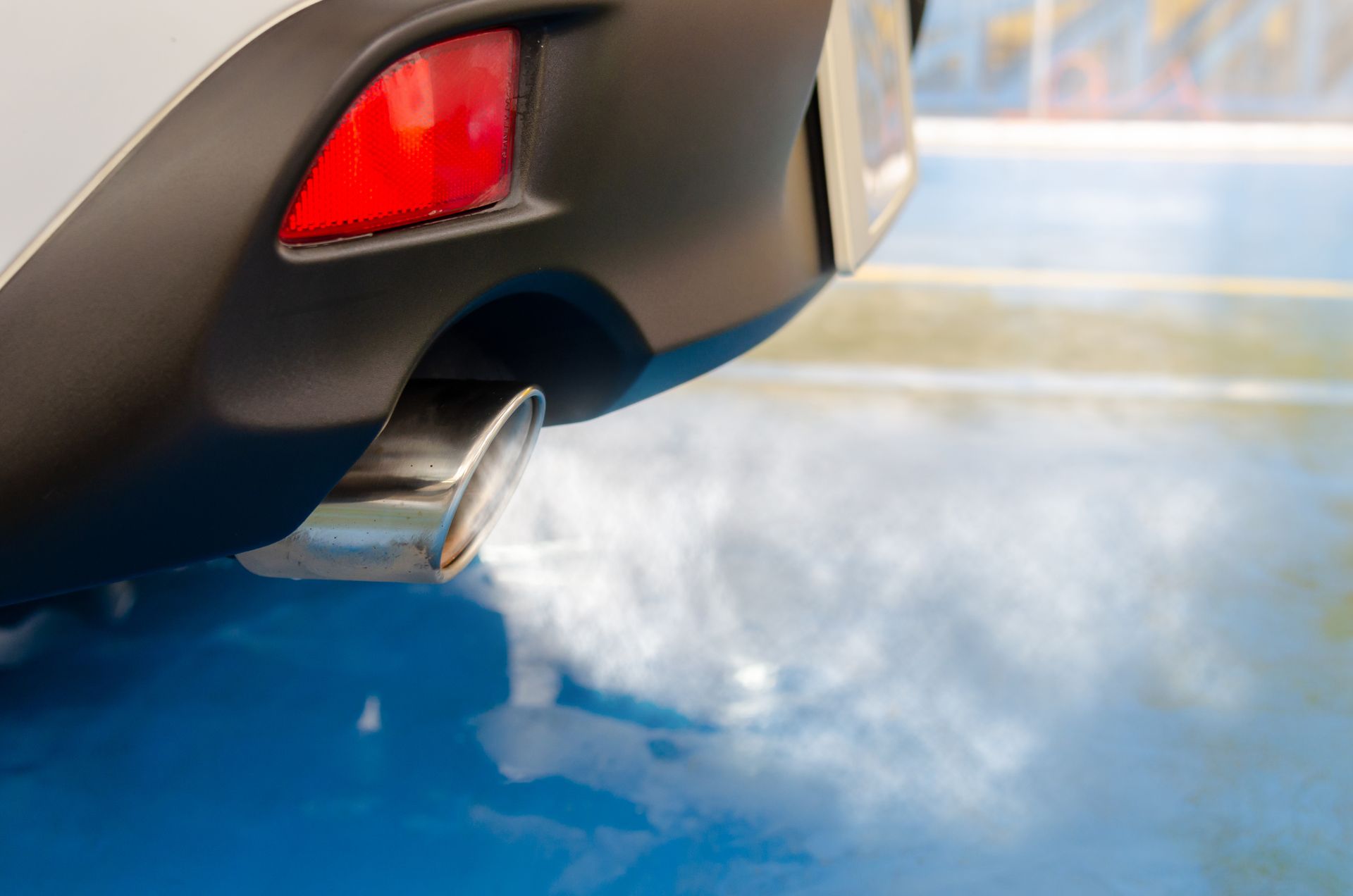
If you drive a diesel truck, chances are you’ve seen a message on your dashboard about “regeneration.” You may have also noticed your truck running a little differently on the highway for no obvious reason. That’s probably diesel particulate filter regeneration. But what is diesel particulate filter regeneration exactly, and how does it affect your truck?
In essence, it’s a normal part of how modern diesel engines work. However, it confuses a lot of drivers the first time they encounter it. Here’s what it actually means and why it matters.
What a Diesel Particulate Filter Does
A diesel particulate filter, often called a DPF, is a component in your exhaust system designed to trap soot and other particulate matter produced by diesel combustion. Diesel engines naturally produce more soot than gasoline engines, and without a way to capture it, that soot would go straight out the tailpipe and into the air. The DPF catches that soot before it can escape, which is a big part of how modern diesel trucks meet emissions standards.
Why the Filter Needs to “Regenerate”
Over time, soot builds up inside the DPF, and if it’s never cleared out, it will eventually clog the filter and restrict exhaust flow. That’s where regeneration comes in. Regeneration is the process of burning off the trapped soot at a high enough temperature to reduce it to ash, which takes up far less space and allows the filter to keep doing its job. Without regular regeneration, a DPF would eventually become so clogged that it affects engine performance, and in severe cases, could require the filter to be replaced entirely.
The Different Types of Regeneration
Not all regeneration happens the same way, and understanding the difference helps explain why your truck sometimes behaves a little differently without any obvious cause.
Passive Regeneration
Passive regeneration happens automatically during normal highway driving, when exhaust temperatures are naturally high enough to burn off soot without the engine needing to do anything special. This is the most common type and usually goes completely unnoticed by the driver.
Active Regeneration
Active regeneration kicks in when the engine’s computer detects that soot buildup has reached a certain level and normal driving temperatures aren’t high enough to clear it. The engine will adjust things like fuel injection timing to raise exhaust temperature and trigger regeneration on its own, which is often what causes a slight change in idle sound, fuel usage, or a dashboard light during the process.
Forced Regeneration
Forced regeneration is a manual process performed by a technician when active regeneration hasn’t been able to keep up, often because a truck has spent too much time idling or making short trips. This typically requires the vehicle to be stationary while the system runs through a special regeneration cycle.
Why Short Trips and Idling Cause Problems
Passive and active regeneration both depend on the engine reaching and maintaining certain exhaust temperatures, which usually means sustained highway speeds. Trucks that mostly do short trips, idle for long periods, or rarely get driven at highway speed don’t give the DPF the conditions it needs to regenerate naturally. Over time, that can lead to more frequent active regeneration cycles, or eventually a forced regeneration performed in the shop, since the soot simply never gets the chance to burn off on its own.
Signs Your DPF May Need Attention
Because regeneration is designed to happen quietly in the background, most drivers never think about their DPF until something starts to feel off. Fortunately, the system is usually pretty good about giving you a heads-up before things get serious. A few warning signs can point to a DPF that’s struggling to keep up:
- A dashboard light specifically related to the exhaust or DPF system, which is often the first and clearest sign something needs attention.
- A noticeable drop in power or acceleration, since a restricted filter can make the engine work harder just to maintain normal performance.
- Reduced fuel economy, as the engine compensates for the added exhaust restriction.
- A message prompting you to drive at highway speed to allow regeneration to complete, which usually means passive regeneration hasn’t had the chance to happen on its own.
- More frequent active regeneration cycles than usual, noticeable through changes in idle sound, exhaust smell, or a temporary dip in fuel efficiency.
What Happens If a DPF Gets Too Clogged
If soot buildup goes unaddressed for too long, a DPF can become clogged to the point where regeneration alone can’t fix it. At that stage, the filter may need to be professionally cleaned or replaced, which is a more involved and expensive repair than routine maintenance would have required. This is one of the reasons diesel repair often looks different from typical gasoline engine maintenance, since diesel-specific systems like the DPF need their own kind of attention.
Keeping Your DPF Healthy
The best way to avoid DPF problems is to give your truck the highway driving time it needs periodically, since that’s what allows passive regeneration to happen naturally. Staying on top of regular engine diagnostics can also catch early signs of a struggling DPF before it becomes a bigger issue. This applies whether you’re running a Cummins engine, a Duramax, or a Power Stroke, since all three rely on the same basic regeneration process even though the specifics vary slightly between manufacturers.
When to Bring It to a Shop
If your truck has been prompting you for a regeneration cycle more often than it used to, showing a DPF-related warning light, or losing power in a way that seems tied to the exhaust system, it’s a good time to have it looked at. A shop experienced in diesel repair can determine whether a forced regeneration will resolve the issue or whether the filter itself needs cleaning or replacement.
Routine Care Makes a Real Difference
Like most parts of a diesel truck, the DPF holds up a lot better with consistent preventative car maintenance than it does when problems are only addressed after something goes wrong. Regular service appointments give a technician the chance to catch soot buildup, sensor issues, or early signs of exhaust system wear before they turn into bigger, more expensive repairs.
Noticing more frequent regeneration cycles or a DPF warning light on your diesel truck? Bring it in, and we’ll take a real look at what your exhaust system is telling you. Or simply contact us to schedule an appointment.