
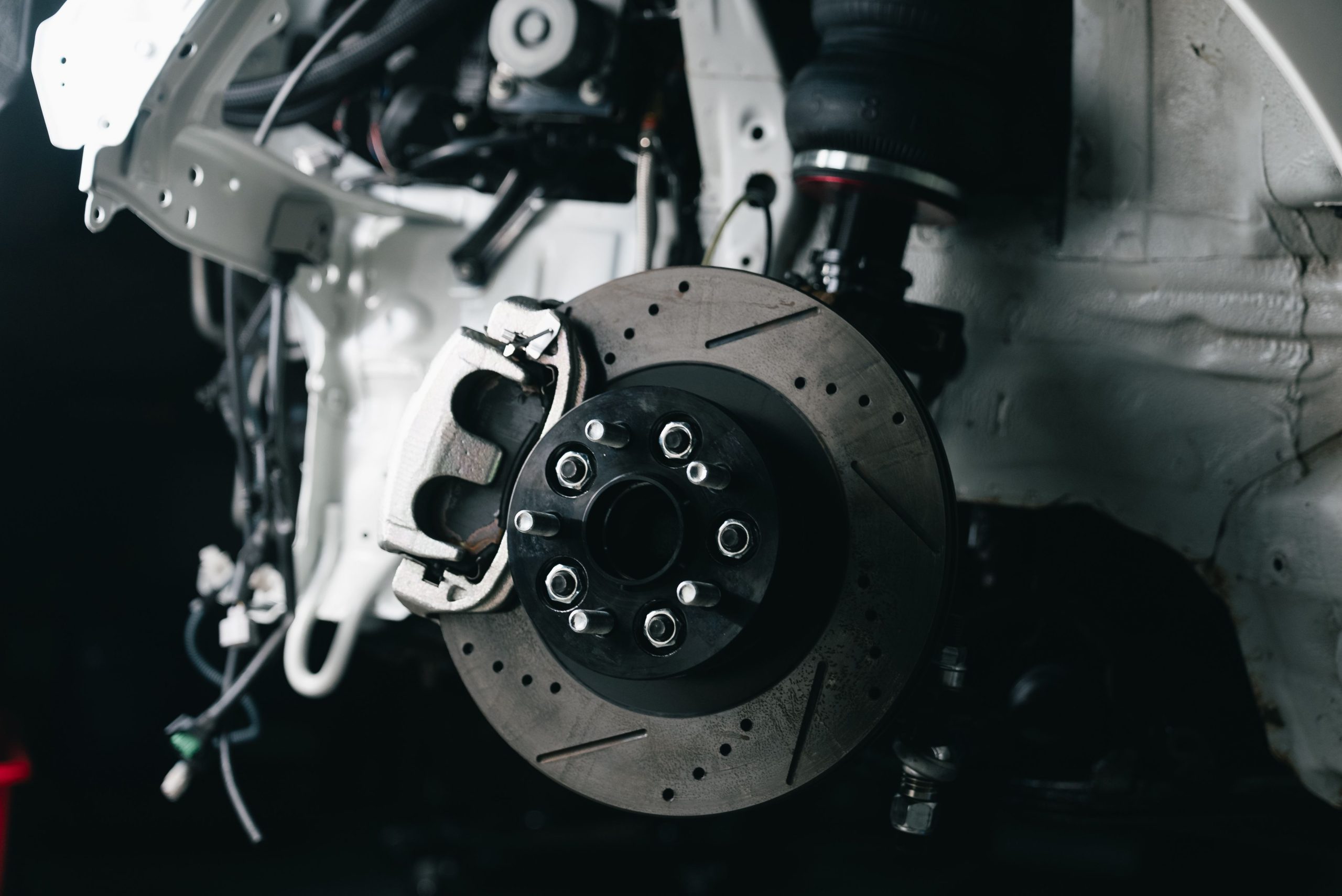
There’s a specific kind of fear that comes from pressing the brake pedal on a long downhill grade while towing and feeling like the truck barely responds. What causes brake fade is usually excessive heat building up in the braking system, and it’s one of the more genuinely dangerous situations a driver can encounter, especially with a heavy trailer or load behind them. Here’s what’s actually happening when it occurs, why towing makes it so much more likely, and how to avoid finding yourself in that situation.
What Brake Fade Actually Is
Every time you brake, you’re converting your vehicle’s forward motion into heat through friction between the pads and rotors. Under normal driving, that heat dissipates quickly enough that it’s never a problem. Brake fade happens when heat builds up faster than the system can get rid of it, to the point where the brakes simply can’t generate the stopping power they normally would. It’s not a mechanical failure in the traditional sense, more like the brakes temporarily losing their effectiveness because they’ve been pushed past what they can handle in that moment.
The Two Different Types of Brake Fade
Brake fade isn’t just one single phenomenon, and understanding the difference between the two types actually matters, since they feel different and call for slightly different responses.
Pad Fade
Pad fade happens when the brake pads themselves get so hot that the friction material starts to break down and lose its grip on the rotor. Gases released from the overheated pad material can even create a thin buffer layer between the pad and rotor, similar in concept to how a tire can hydroplane on a wet road. With pad fade, the brake pedal typically still feels normal and firm, but the braking power just isn’t there the way it should be.
Fluid Fade
Fluid fade is a different problem entirely, caused by the brake fluid itself overheating to the point of boiling. Brake fluid is hygroscopic, meaning it naturally absorbs moisture from the air over time, even in a sealed system. That absorbed moisture lowers the fluid’s boiling point significantly, which means fluid that’s been in service for a while can boil at temperatures it would have handled fine when it was fresh. Once brake fluid boils, it creates compressible air bubbles in the lines, and unlike pad fade, this version typically causes the brake pedal to feel soft, spongy, or sink toward the floor when you press it.
Why Towing Makes Brake Fade So Much More Likely
Your vehicle’s braking system is engineered around the weight of the vehicle itself, with some margin built in for normal cargo. Add a heavy trailer, camper, or boat, and suddenly the brakes are being asked to dissipate far more kinetic energy with every single stop than they were primarily designed for.
Combine that added weight with a long downhill grade, where drivers often “ride” the brakes continuously to control speed instead of using intermittent, firmer braking, and you get sustained heat buildup with no real opportunity for the system to cool down. This is exactly the scenario that produces the most dangerous instances of brake fade, and it’s why towing on mountain roads or steep grades deserves extra caution regardless of how capable your truck or brakes normally feel.
How to Avoid Brake Fade While Towing
A few specific habits make a real difference in preventing brake fade, especially on long descents:
- Use a lower gear on downhill grades instead of riding the brakes. Shifting into a lower gear lets engine braking do a significant share of the work, reducing how much heat your actual brakes need to generate and dissipate.
- Brake firmly and then release, rather than maintaining constant light pressure. Continuous light braking generates sustained heat with no recovery time, while firmer, intermittent braking gives the system brief windows to cool between applications.
- Know your vehicle’s towing capacity and stay within it. Exceeding your rated towing capacity puts more strain on the braking system than it was engineered to handle safely.
- Have your brake fluid checked and flushed on schedule, typically every two years or around 30,000 miles, since old, moisture-contaminated fluid boils at a much lower temperature than fresh fluid.
- Consider upgraded brake pads if you tow regularly. Pads engineered for higher temperature tolerance hold up significantly better under sustained heavy use than standard factory pads designed for everyday driving.
- If you ever feel fade starting, pull over safely and let the brakes cool rather than continuing to push through it, since continuing to demand full stopping power from already-overheated brakes only makes the situation worse.
Why Maintenance Matters More When You Tow
If towing is a regular part of how you use your vehicle, your braking system needs more attention than it would for a car that’s never asked to stop that kind of extra weight. Brake repair and inspection should happen more frequently for a truck that tows regularly, since pads, rotors, and fluid all wear and degrade faster under that kind of sustained heat exposure.
A seized or dragging caliper can also contribute to fade by keeping a pad in constant contact with the rotor even when you’re not braking, which is another reason routine inspection matters, especially before a big towing trip.
Recognizing Fade Before It Becomes an Emergency
The scariest part of brake fade is how it can sneak up gradually rather than announcing itself all at once. A pedal that starts to feel like it needs more pressure than usual, or one that starts sinking slightly lower before engaging, is worth paying attention to immediately, especially mid-descent. Reacting early, by downshifting and easing off sustained brake pressure, gives the system a chance to recover before things escalate into a genuinely dangerous loss of stopping power.
Prepare Before You Tow, Not During
The best time to think about brake fade is before you’re halfway down a mountain grade with a loaded trailer behind you. Making sure your brake fluid is fresh, your pads are in good condition, and you understand your vehicle’s towing limits, combined with using proper downhill technique, dramatically reduces the risk of ever experiencing true brake fade in the first place.
Getting ready to tow, or something about your brakes doesn’t feel quite right? Don’t leave braking performance to chance. We’ll inspect the system, identify anything that needs attention, and help make sure your vehicle is prepared for the miles ahead. Visit Future Auto Repair or give us a call to schedule an appointment.