
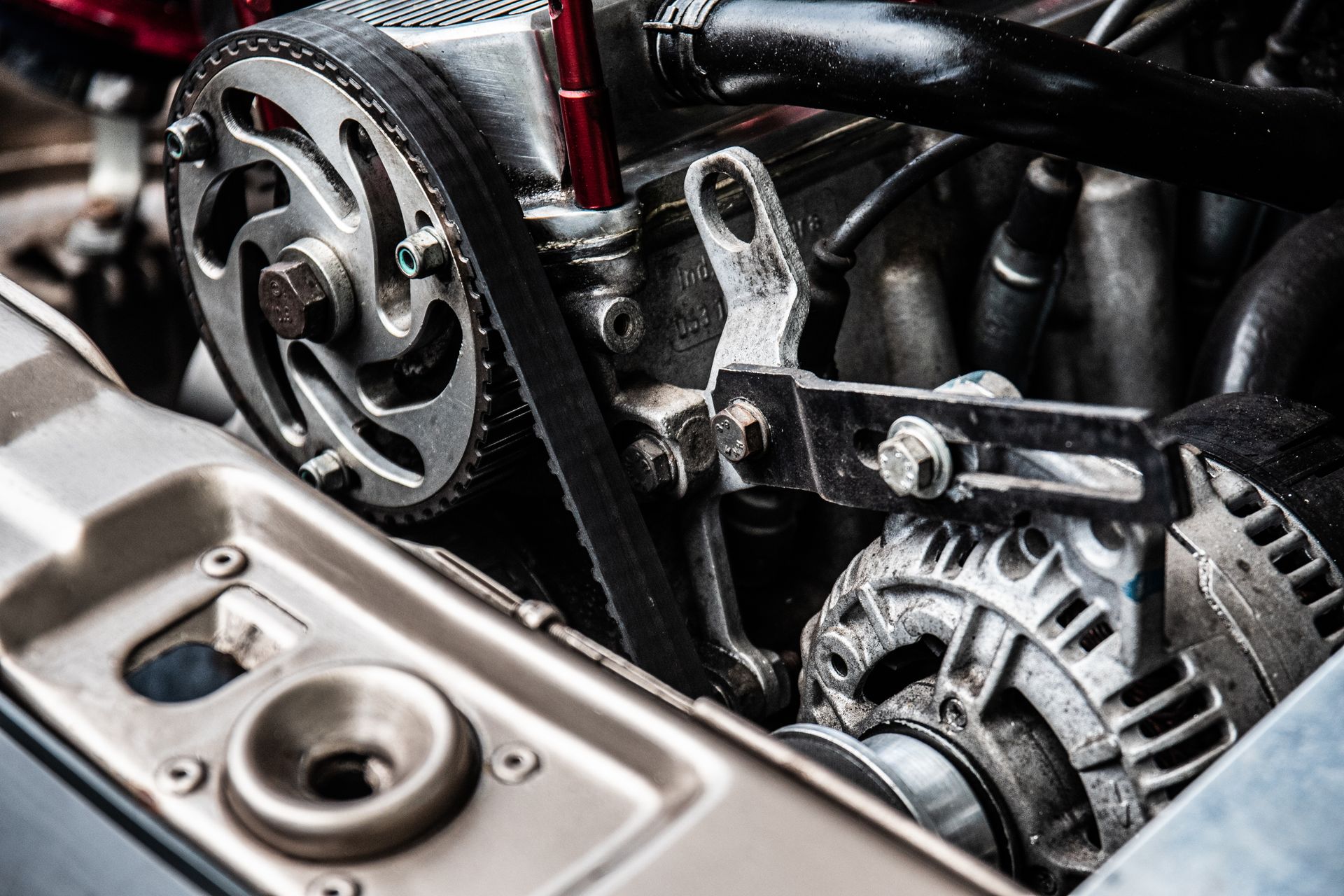
The serpentine belt might not be something you think about often, but it’s one of the hardest-working parts under your hood. When it fails, it causes such a problem that it can knock out several systems at once. So, what are the signs the serpentine belt is about to fail? Well, the upside is that it rarely fails without warning. Here’s what to watch for so you can catch it before you’re stranded.
What the Serpentine Belt Actually Does
The serpentine belt is a single, long belt that winds its way around several pulleys under your hood, powering things like your alternator, power steering pump, air conditioning compressor, and in some vehicles, your water pump. Because one belt is doing so much work at once, a failure doesn’t just affect one system. If it snaps while you’re driving, you can lose power steering, battery charging, and engine cooling all at the same time, which is why it’s worth paying attention to the warning signs before that happens.
Warning Signs to Watch For
A serpentine belt usually gives you some notice before it fails completely. Here’s what tends to show up as it wears out:
- Squealing or chirping noises, especially when starting the car or turning the wheel sharply. This is often one of the earliest and most noticeable signs of a worn or slipping belt.
- Visible cracks, fraying, or glazing on the belt itself. A quick visual check can reveal cracks across the ribbed surface or a shiny, glazed look that means the rubber has hardened and lost flexibility.
- A loose or wobbly feel to the belt when pressed. A healthy belt should feel taut, while a worn one often has too much give.
- Dashboard warning lights, particularly for the battery or charging system, which can appear if the belt is slipping and no longer spinning the alternator properly.
- Power steering that suddenly feels heavier, since a slipping belt can reduce the assist your power steering pump provides.
- The engine overheating, on vehicles where the serpentine belt also drives the water pump, since a failing belt means coolant isn’t circulating properly.
Why Belts Wear Out Over Time
Serpentine belts are made of reinforced rubber, and like any rubber component, they degrade with heat, age, and mileage. Constant exposure to engine heat causes the material to harden and crack over time, while contaminants like oil or coolant leaking onto the belt can accelerate that breakdown even faster. Most manufacturers recommend replacing the belt at a specific mileage interval, but real-world conditions like extreme heat or frequent short trips can cause it to wear out sooner than expected.
What Happens If It Fails While Driving
If a serpentine belt breaks while you’re driving, the effects show up almost immediately. Your power steering will suddenly feel much heavier, making the car harder to control, especially at low speeds. Your alternator will stop charging the battery, meaning the car is now running purely on whatever charge is left, which won’t last long.
If the belt also drives your water pump, your engine will start heating up quickly since coolant is no longer circulating. None of these are things you want to deal with in the middle of traffic, which is why catching the warning signs early matters so much.
What to Do If You Notice These Signs
If you’re hearing a squeal, seeing visible wear, or noticing any of these warning signs, it’s worth having the belt inspected before it becomes a bigger issue. A quick visual check under the hood can sometimes confirm visible cracking or fraying, but a proper inspection at an auto repair shop is the best way to know for sure how much life the belt has left. If your battery warning light comes on or your power steering suddenly feels different, it’s best to get the car looked at as soon as possible rather than waiting to see if it gets worse.
Related Problems a Failing Belt Can Cause
Because the serpentine belt connects to so many systems, a worn or failing belt can sometimes get mistaken for a different problem entirely. A slipping belt can drain your battery faster than normal, making it seem like you need car battery testing or a new alternator when the belt is actually the root cause. It can also make your power steering feel stiff, similar to symptoms that point toward a failing power steering pump. And on vehicles where it drives the water pump, a failing belt can cause overheating that looks like it needs radiator repair when replacing the belt is really what’s needed.
Staying Ahead of Belt Failure
Regular preventative car maintenance is the simplest way to avoid getting caught off guard by a failed serpentine belt. Having the belt checked during routine service, especially around the mileage your manufacturer recommends for replacement, means a technician can catch cracking or glazing before it becomes a roadside problem. It’s a relatively inexpensive part to replace on a schedule, especially compared to the cost and inconvenience of dealing with a sudden failure.
Don’t Wait for the Belt to Snap
A serpentine belt rarely fails completely out of nowhere. Between the squealing, visible wear, and other warning signs, most drivers get some notice before it actually breaks. The key is paying attention to those signs and getting the belt checked before it leaves you stranded.
If you’ve noticed a squeal, visible cracking, or anything else that seems off with your serpentine belt, don’t wait for it to snap. Bring your vehicle in, and we’ll check the belt and every system it powers. Visit our auto repair shop or contact us today to schedule your appointment.