
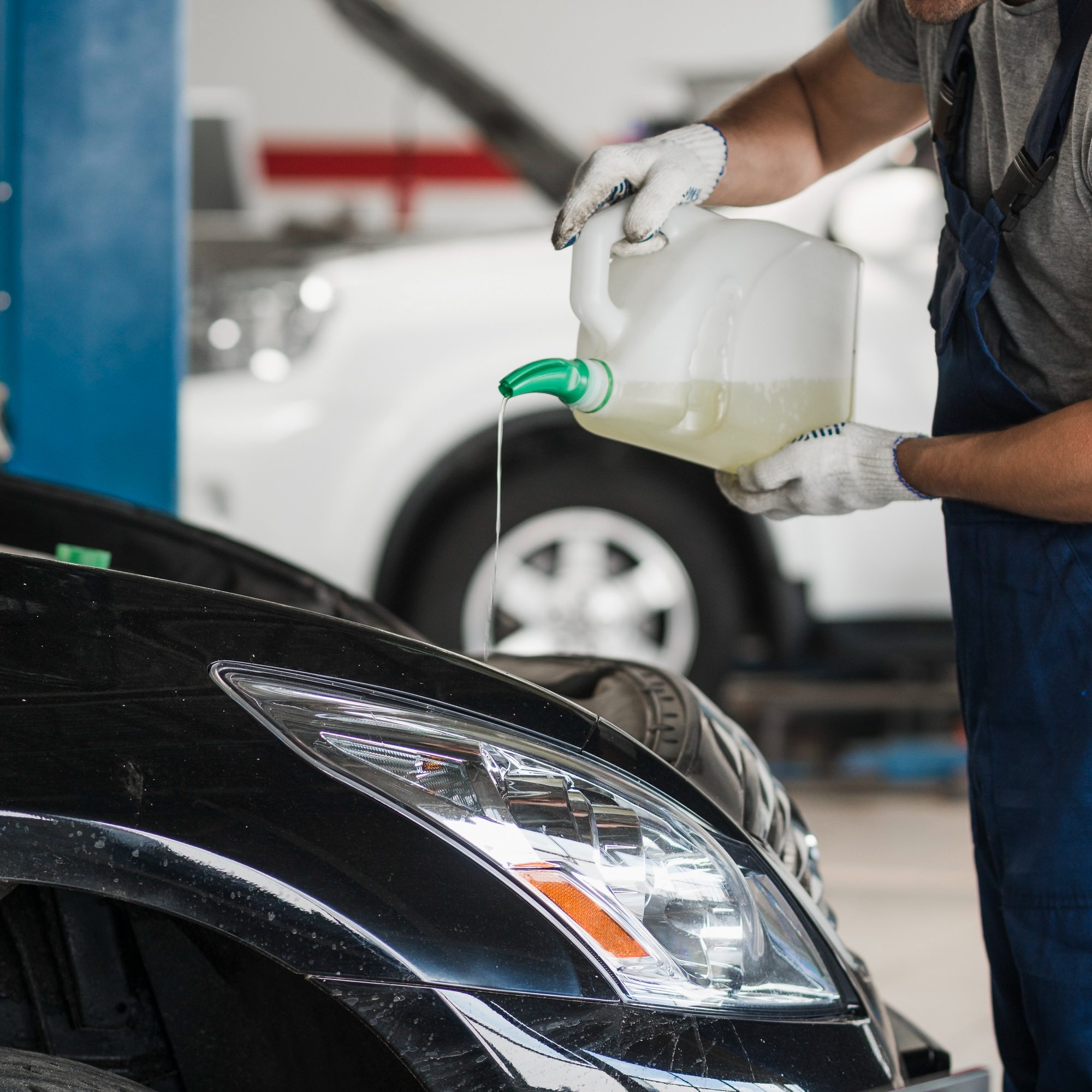
Power steering fluid and pump service is one of the most overlooked maintenance items on a car, but skipping it can turn a simple fluid change into an expensive pump replacement. Most drivers never think about their power steering until the wheel suddenly gets heavy or a whining noise starts every time they turn. By then, the damage may already be done. Here’s a clear guide to how your power steering system works, when it needs attention, and what a proper service involves.
First, Find Out Which Type of Steering You Have
Keep in mind that not every car has power steering fluid, so this is the place to start. Your owner’s manual will tell you which one you have. There are three main types:
- Hydraulic power steering uses an engine-driven pump, a fluid reservoir, hoses, and a steering rack. This is the traditional setup, and it needs fluid and periodic service.
- Electric power steering (EPS) uses an electric motor instead of a pump. There’s no fluid, no hoses, and nothing to flush, which is why many newer vehicles, including a lot of hybrids, don’t need this service at all.
- Electro-hydraulic power steering combines the two, using an electric motor to drive a hydraulic pump. It still needs the correct fluid and periodic checks.
If you see a power steering reservoir under the hood, you have a hydraulic or electro-hydraulic system. If you don’t, your car likely uses EPS, and a heavy steering feel points to a different kind of problem, like a sensor or motor issue.
When Is Power Steering Fluid and Pump Service Due?
There’s no single answer that fits every vehicle, and your owner’s manual is always the final word. As a general guideline, many hydraulic systems benefit from a fluid service every 30,000 to 60,000 miles, or about every two to five years, with some sources recommending closer to 50,000 miles. Hard use, heat, and towing can shorten that window, and some vehicles list no official interval at all, which can leave the fluid to degrade quietly for years.
A better habit than watching the odometer is to check the fluid at every oil change. Fresh fluid is typically clear to light amber, and some types are pink or red. If it looks dark brown or black, smells burnt, appears foamy or milky, or has a gritty feel with tiny metal particles, it’s overdue for service no matter what the mileage says.
Why Fluid Condition Matters So Much
Power steering fluid does more than transmit pressure. It also lubricates the pump and cools the system, and like any hydraulic fluid, it breaks down with heat and picks up contaminants over time. In a hot, humid climate like ours, the system works hard. Old, degraded fluid is one of the leading causes of early pump failure, because the pump is the part that takes the worst of it. The good news is that regular fluid service is cheap compared to what a failed pump costs.
Using the Right Fluid Matters
Not all power steering fluid is the same, and putting the wrong kind in can cause noise, hard steering, leaks, and damaged seals. Some vehicles use a dedicated power steering fluid. Others call for automatic transmission fluid, and some Asian and European models require a manufacturer-specific fluid. Don’t guess and don’t mix types. The correct fluid is listed in your owner’s manual and often printed on the reservoir cap. A shop with real European auto repair or Asian auto repair experience will know which fluid your make and model needs.
Signs of Fluid or Pump Trouble
Power steering problems usually give you some warning before they get serious. Watch for these signs:
- Whining, groaning, or moaning when you turn the wheel, often louder when the car is cold or when turning at low speed.
- Stiff or heavy steering, especially when parking or making slow turns.
- Slow or jerky steering response, where the wheel feels sluggish or catches.
- Dark, burnt-smelling, or gritty fluid in the reservoir.
- Foamy or milky fluid, which can mean air has gotten into the system or fluid is being drawn in from a low level.
- Reddish or amber puddles under the front of the car, which often point to a leaking hose, pump seal, or steering rack.
- A reservoir that keeps going low, which means there’s a leak somewhere that topping off won’t fix.
Many of these symptoms look alike whether the problem is dirty fluid or a failing pump, which is why a proper diagnosis matters.
Fluid Change vs. a Full Flush
These two services aren’t quite the same. A simple fluid change, sometimes called a drain-and-fill, removes some of the old fluid from the reservoir and replaces it with new fluid, but a good portion of the old fluid stays in the lines, rack, and pump. A full flush pushes fresh fluid through the whole system to clear out old fluid and contaminants.
A flush is the better choice when the fluid is dark and dirty, when the system has never been serviced, or when a pump or steering rack has just been replaced, and the new part needs clean fluid. After either service, air can get trapped in the system, so the technician should bleed it properly to prevent foaming and noise.
Is It the Fluid or the Pump?
Often, it’s the fluid. If the fluid is old and dark and the steering is whining, a flush with fresh, correct fluid can quiet things down and save the pump. But a fluid change can’t fix a pump that’s already worn out. Persistent whining after a flush, milky fluid, metal particles in the reservoir, or steering that stays heavy all point toward pump or internal damage. A shop can pressure-test the system, check for leaks at the hoses and rack seals, and inspect the serpentine belt, since a worn or slipping belt can cause weak assist and noise that mimic a pump problem.
What Pump Service Involves
When a pump needs to be replaced, the job usually includes removing the old pump, installing a new one, flushing the system to prevent debris from the old pump from damaging the new one, refilling with the correct fluid, and bleeding out any air. A good technician will also look at the hoses, the reservoir, and the steering rack for leaks or wear while the system is apart.
Replacing a pump without addressing a leak or contaminated fluid is a recipe for repeating the repair. Sometimes a steering problem calls for related work, such as suspension repair or a wheel alignment, to make sure the car steers and tracks straight afterward.
Why You Shouldn’t Put It Off
Waiting on a steering problem is a safety issue, not just a comfort one. A failing pump can leave you with sudden heavy steering at exactly the wrong time, like when parking, turning into traffic, or avoiding something on the road. The car will still steer without assist, but it takes much more effort. A routine fluid service typically costs a fraction of a pump replacement, so staying ahead of it is almost always the cheaper route.
How to Protect Your Steering System
A few habits go a long way. Check the fluid level and condition every time you get an oil change, and top it off only with the correct fluid. Fix leaks as soon as you notice them, since running the pump low on fluid damages it quickly. Avoid holding the steering wheel at full lock for long periods, since that puts maximum strain on the pump. Keep the serpentine belt in good shape. And follow your owner’s manual for service intervals, folding this into your regular preventative car maintenance so it doesn’t get forgotten.
Hearing a whine when you turn, or not sure when your power steering fluid was last serviced? Bring your vehicle in, and we’ll check the fluid, test the system, and let you know what it needs. Contact our team or simply stop by our shop to schedule an appointment.