
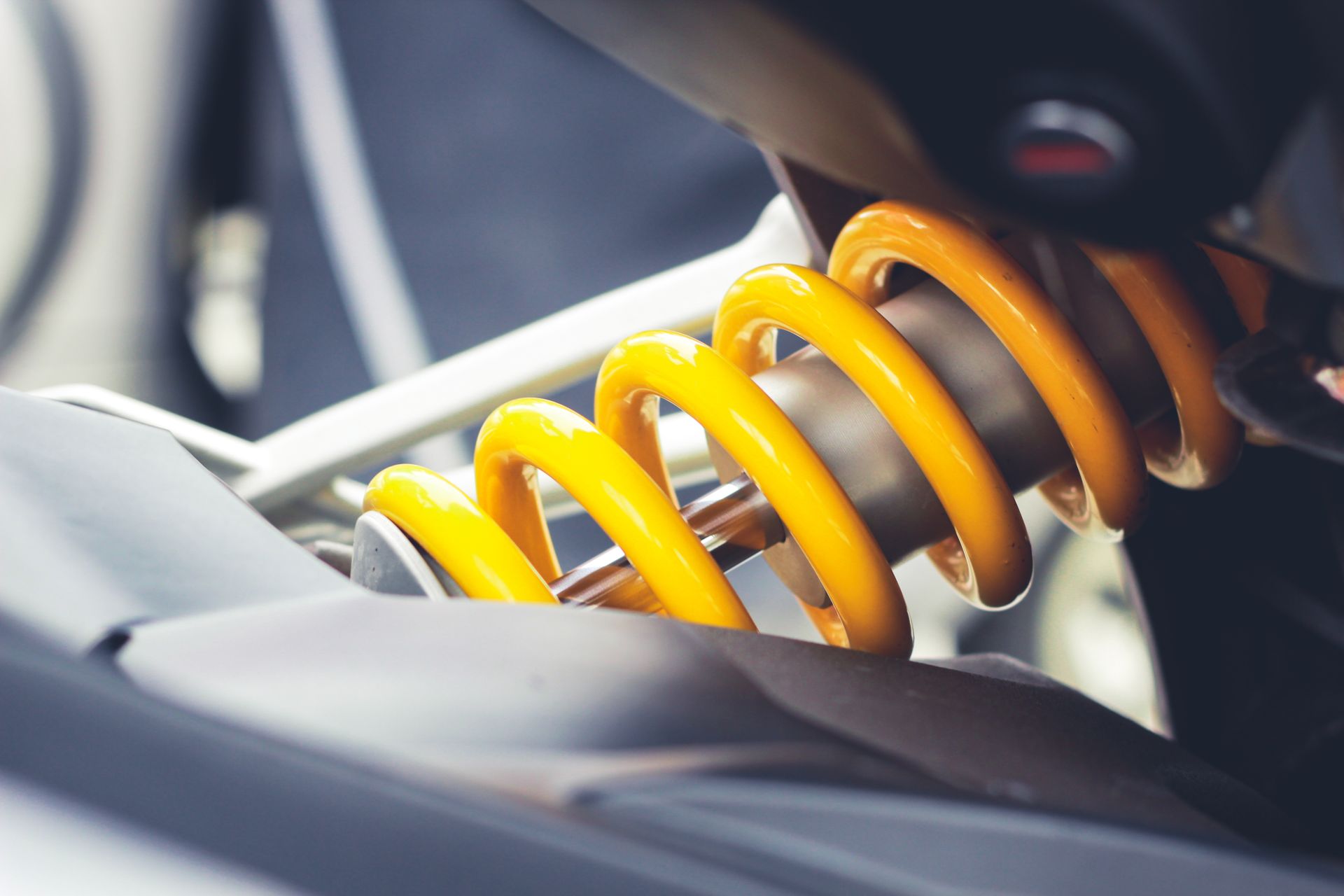
Shocks and struts are one of those parts that wear out so gradually, most drivers don’t even notice until someone else points it out, or until a repair shop mentions it during an inspection. So, how to tell if the shocks and struts are worn out? Since they don’t have a clear replacement mileage the way brake pads or an oil change do, it can be hard to know when they’re actually due. Here’s how to tell if yours are genuinely worn out, and why it matters more than most drivers realize.
What Shocks and Struts Actually Do
Shocks and struts are part of your suspension system, and their job is to control how your car’s body moves in response to the road. Every time you hit a bump, brake hard, or take a turn, your suspension is working to keep your tires in contact with the pavement and your ride smooth and controlled. Struts also play a structural role in many vehicles, supporting part of the vehicle’s weight in addition to absorbing impact. When they wear out, it’s not just about comfort. It actually affects how well your car handles, brakes, and stays stable.
Why They’re Easy to Overlook
Unlike a squealing brake or a check engine light, worn shocks and struts don’t usually announce themselves clearly. The wear happens slowly, over tens of thousands of miles, so most drivers gradually adjust to a softer, bouncier, or less controlled ride without really noticing the change. It’s only when you drive a car with fresh shocks and struts, or when a mechanic points out how much your car dips and bounces during a test drive, that the difference becomes obvious.
Signs Your Shocks or Struts Are Worn
The good news is that once you know what to look for, worn shocks and struts are actually pretty easy to spot. Most of these signs show up during everyday driving, whether that’s hitting a bump, braking at a stop sign, or taking a normal turn, so you don’t need to do anything special to notice them. Here’s what to actually watch for if you suspect your shocks or struts are on their way out:
- Excessive bouncing after hitting a bump. If your car continues to bounce a few times after going over a pothole or speed bump instead of settling quickly, that’s a classic sign of worn shocks or struts.
- Nose diving when braking, or squatting when accelerating. Worn suspension components struggle to control the car’s weight shifting, which can make hard stops or quick acceleration feel more dramatic than they should.
- Uneven or cupped tire wear. When shocks and struts can’t keep your tires pressed evenly against the road, it often leads to irregular wear patterns that a technician can spot during a tire inspection.
- Swaying or leaning during turns. If your car feels less stable or leans more than it used to while cornering, worn struts are a common cause.
- A rougher, harsher ride overall. If every bump seems to transmit straight into the cabin instead of being absorbed, your shocks or struts may no longer be doing their job.
- Visible fluid leaking from the shock or strut itself. These components rely on hydraulic fluid internally, and a leak is a clear sign that one has failed.
- Longer stopping distances. Because worn suspension affects how well your tires stay planted, it can actually increase the distance it takes to stop, especially on rough or uneven roads.
Why This Matters for Safety, Not Just Comfort
It’s easy to think of worn shocks and struts as just a comfort issue, but they play a bigger role in safety than most people realize. Suspension that isn’t working properly can increase stopping distances, reduce control during sudden maneuvers, and contribute to uneven tire wear that shortens the life of your tires. If you’ve also noticed your car pulling to one side or your steering feeling less precise, it’s worth having a wheel alignment checked alongside your suspension, since the two systems often affect each other.
How a Mechanic Actually Tests for Wear
Because worn shocks and struts don’t always come with an obvious symptom, a proper inspection is the most reliable way to know for sure. A technician will typically do a bounce test, pressing down on each corner of the car and watching how quickly it settles. They’ll also visually inspect the shocks and struts for leaking fluid, physical damage, or corrosion, and check your tires for the kind of uneven wear that often points to a suspension problem. In some cases, a road test is the best way to feel how the car handles bumps, turns, and braking compared to how it should perform.
What to Do If You Suspect Worn Shocks or Struts
If you’ve noticed any of these signs, it’s worth having your suspension inspected rather than waiting for it to get worse. Worn shocks and struts tend to decline gradually, so the earlier they’re addressed, the less impact they have on your tires and other suspension components. A shop can confirm whether you’re actually due for suspension repair, or whether something else, like a wheel alignment issue, is contributing to what you’re feeling.
Keeping Your Suspension in Good Shape
Regular preventative car maintenance, including having your suspension checked during routine service, is the best way to catch worn shocks and struts before they lead to uneven tire wear or reduced control. It’s also worth having a wheel alignment done periodically, since proper alignment reduces unnecessary strain on your suspension components and helps them last longer.
Trust How the Car Feels, Not Just the Mileage
Since there’s no universal mileage number that applies to every vehicle, the most reliable approach is paying attention to how your car actually feels and having it inspected if something seems off. A car that’s bouncing, leaning, or riding rougher than it used to is worth checking out, even if it hasn’t hit some specific mileage milestone yet.
Curious whether your shocks and struts still have life left in them? Swing by and we’ll put your car through a proper suspension check so you know exactly where things stand. You can also contact us to get on the schedule.