
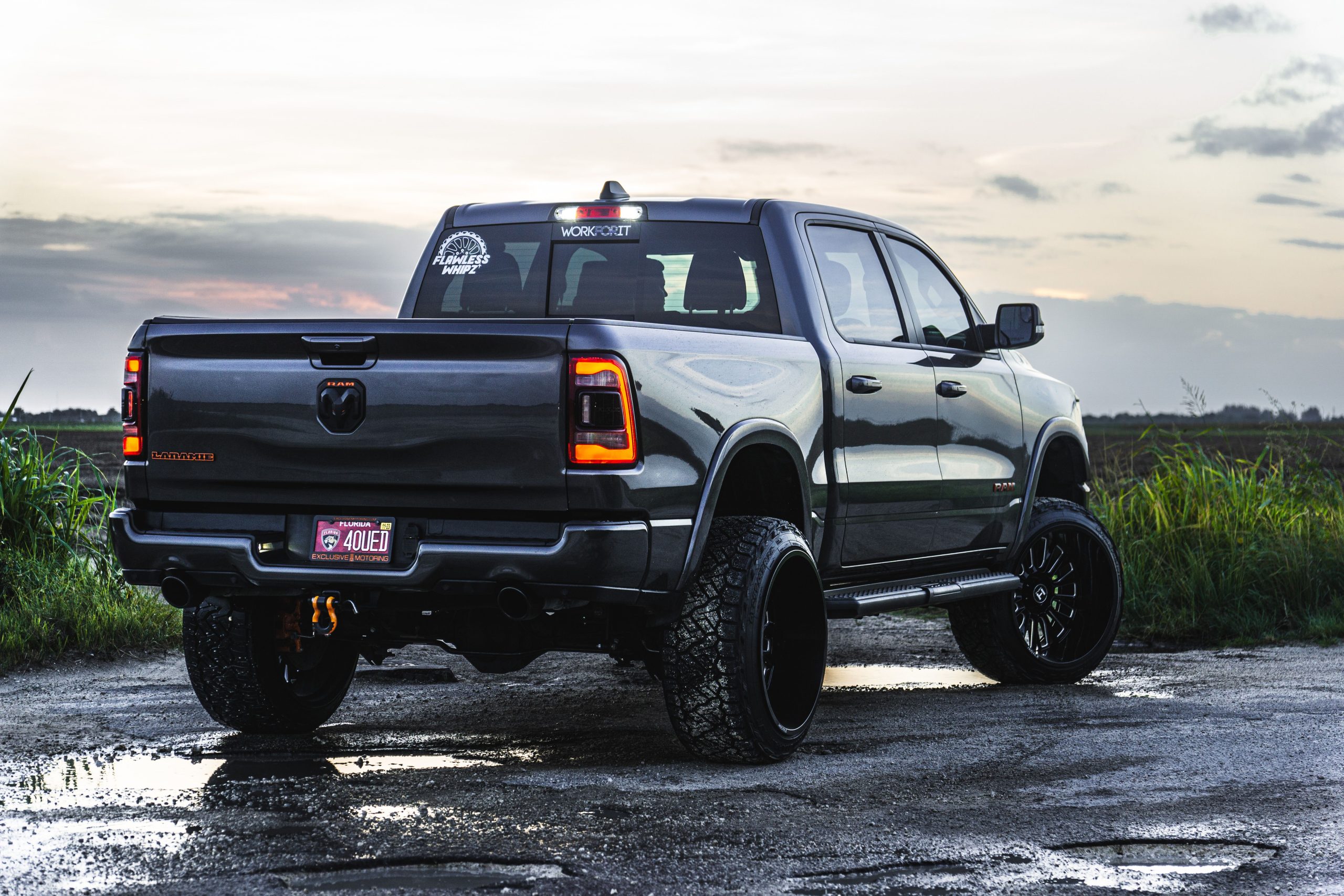
How to prepare a diesel truck for the wet season is a question every Louisiana truck owner should be asking before the rains arrive. Louisiana does not ease into its rainy season. It arrives fast, it arrives hard, and if your diesel truck is not ready for it, you are going to feel it. Between standing water on roads, relentless humidity, flooded job sites, and sudden downpours that seem to come out of nowhere, the wet season puts a different kind of stress on your truck than summer heat does.
Your Brakes Are Your First Line of Defense
Wet roads demand more from your brakes than dry ones do. Stopping distances increase when pavement is slick, and if your brake pads are already worn thin or your rotors are showing significant rust or scoring, that gap between you and the vehicle in front of you shrinks in a hurry. Brake repair before the wet season is not being overly cautious. It is basic preparedness.
On a diesel truck that hauls loads or tows regularly, brakes wear faster than they do on a passenger car. The added weight means the system works harder on every stop. If you have not had your brakes inspected recently, do it now. Have a shop check pad thickness, rotor condition, brake fluid, and the condition of your calipers and hardware. Wet weather braking is unforgiving of components that are only halfway there.
How to Prepare Your Diesel Truck – Check Your Tires and Wheel Alignment
Tires are what actually connect your truck to the road, and in wet conditions, they are doing a lot of work to keep you from hydroplaning. Worn tread cannot channel water away from the contact patch effectively, which means the tire starts riding on top of a film of water instead of gripping the pavement. On a heavy diesel truck moving at highway speed, that is a dangerous situation.
Inspect Your Wheel Alignment and Suspension
Check your tread depth across all four tires and look for uneven wear patterns. Uneven wear is often a sign of wheel alignment issues or suspension problems that are causing your tires to sit at the wrong angle. A wheel alignment check and suspension repair, if needed, extends tire life and makes your truck handle more predictably in wet conditions when precise steering response matters most. If your truck has been pulling to one side, wandering on the highway, or if you noticed the steering wheel is not centered, get the alignment checked before the rainy season kicks in.
Inspect Your Electrical System
Water and electricity have a well-known conflict of interest, and a diesel truck with electrical vulnerabilities is going to let you know about it during the wet season. Moisture finds its way into connectors, accelerates corrosion at battery terminals, and can compromise sensors and wiring that are already borderline. Auto electrical repair becomes a much bigger job when water damage compounds an existing problem.
Test Your Battery and Charging System
Start with car battery testing. Heat from summer stresses batteries, and a battery that limped through the summer may not have much left in it by the time fall rains arrive. Have it load tested to confirm it still has adequate capacity. While you are at it, have your alternator checked as well. Alternator repair is far less disruptive when it is planned than when it leaves you stranded in a downpour. Check battery terminals and cable ends for corrosion, and make sure all visible wiring connections under the hood are clean and secure.
Wet Season Prep Checklist for Diesel Truck Owners
Beyond the big items above, there are several other areas worth going through before the rain picks up. Here is a quick checklist to run through:
- Wiper blades: Replace them if they are streaking, skipping, or leaving patches. You will use them constantly during the wet season and you want them working properly.
- Headlights and taillights: Visibility drops significantly in heavy rain. Make sure all lights are functioning and that lenses are clear, not yellowed or foggy.
- Cooling system: Inspect hoses, the radiator, and coolant condition. Radiator repair or a coolant flush now prevents overheating issues later, especially when your truck is working hard in humid conditions.
- Engine diagnostics: If any warning lights are on or something has felt slightly off with performance, have the truck scanned. Engine diagnostics can catch developing issues before they become serious, and wet season driving is not when you want an unexpected breakdown.
- Fuel system and filters: Water contamination in diesel fuel is a real concern, particularly for trucks that sit for periods or are fueled at busy commercial stations. A fresh fuel filter going into the wet season is cheap insurance.
- Undercarriage inspection: Mud, standing water, and road spray accelerate corrosion on frame components, brake lines, and suspension parts. Have a shop take a look underneath for any rust or damage that needs addressing.
- Oil change: If you are near your interval, do it before the season change. Clean oil going into a demanding season is better than pushing it to the end.
Platform-Specific Considerations
If you are running a Cummins engine in your Ram truck, pay particular attention to your fuel system and glow plugs heading into cooler, wetter weather. Cummins engine repair shops know that moisture in the fuel and marginal glow plugs are a common combination for hard-start complaints when temperatures drop. Keeping the fuel system clean and the glow plugs in good shape makes a real difference on cool, rainy mornings.
For Power Stroke owners, wet season prep is a good time to revisit your cooling system health, particularly on 6.0L trucks, where the EGR cooler is always worth monitoring. Power Stroke repair technicians will tell you that the combination of high humidity and a cooling system that is not quite right is a recipe for accelerated EGR cooler issues. The 6.7L is more robust in this regard, but a cooling system inspection is worthwhile regardless of which generation you are running.
Duramax owners should focus on transmission service and drivetrain inspection if the truck sees any off-road use during the wet season. Duramax repair shops commonly see differential and transfer case issues on trucks that have been through muddy conditions without recent fluid changes. Water intrusion into the axle or transfer case fluid is surprisingly common and surprisingly damaging if left unaddressed.
Preventative Maintenance Is Always Cheaper Than a Breakdown
The theme running through all of this is the same one that applies to every aspect of diesel truck ownership: preventative car maintenance is always cheaper and less disruptive than dealing with a breakdown after the fact. A thorough inspection at a trusted auto repair shop before the wet season hits gives you a clear picture of where your truck stands and what needs attention. You get to make those decisions on your schedule, in your driveway, at a time that works for you. A breakdown in the rain on a job site or on the side of the highway does not give you that luxury.
Get Your Diesel Truck Ready for the Rainy Season
Future Auto Repair handles diesel repair and maintenance for Cummins, Power Stroke, and Duramax trucks throughout the Bossier City area. From brake repair and wheel alignment to engine diagnostics, auto electrical repair, and full diesel engine service, we are set up to get your truck ready for whatever Louisiana’s weather brings. Contact us or stop by before the season changes, and let us take a look.