
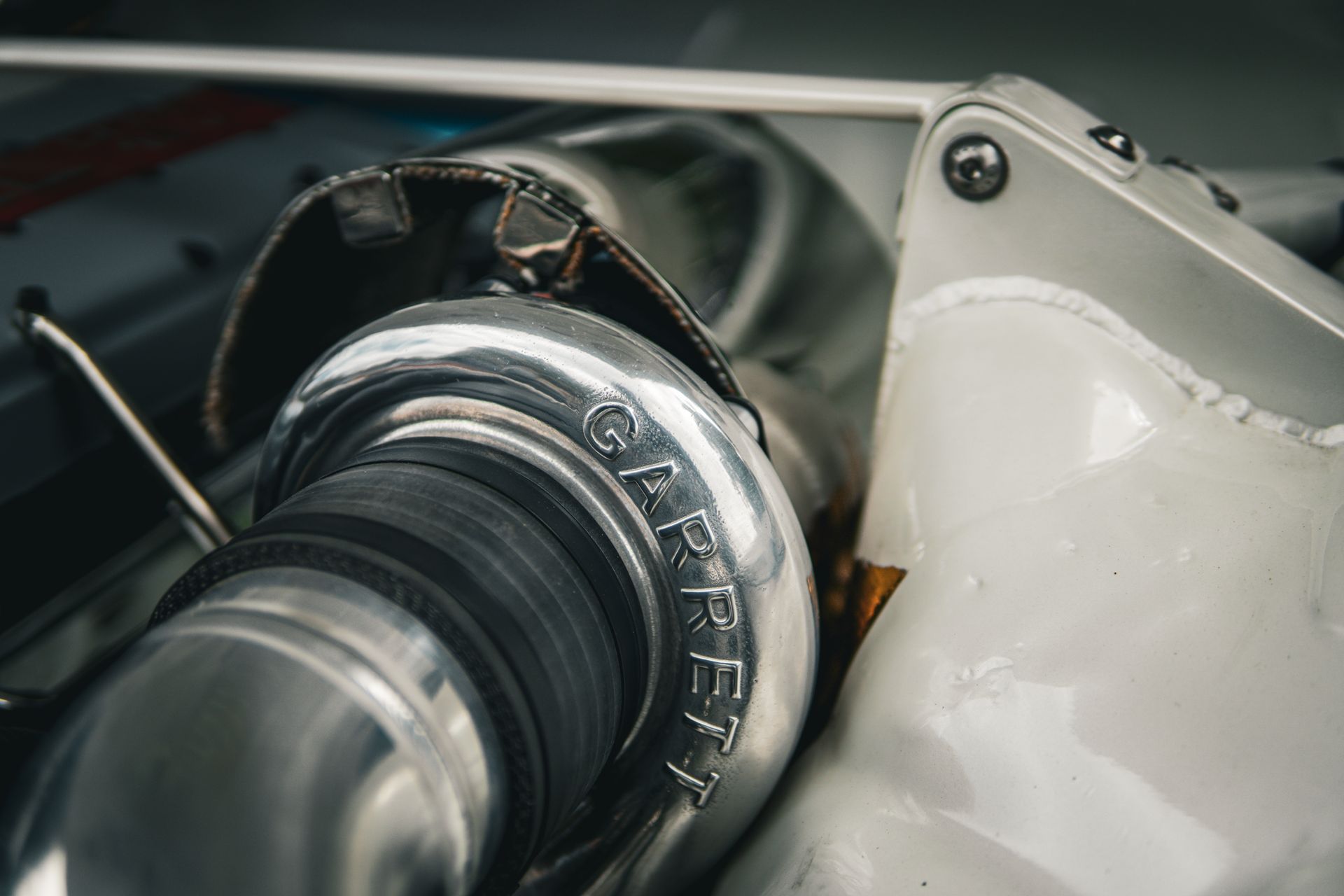
A turbocharger is one of the hardest-working components, spinning at speeds most drivers never think about. All the while, it’s doing a huge amount of the work behind your engine’s power and towing capability. It’s only natural to think about how to extend the life of the diesel truck’s turbocharger. What’s important is that it’s one of the more expensive components to replace, which makes understanding how to protect it well worth the effort. Here’s a closer look at how a turbo actually works, what wears it out, and what you can do to help yours last as long as possible.
What Your Turbocharger Is Actually Doing
A turbocharger works by using exhaust gas, which would otherwise just be wasted, to spin a turbine at extremely high speed, often reaching well over 100,000 RPM. That spinning turbine is connected to a compressor wheel, which pulls in fresh air and forces more of it into the engine than it could draw in on its own.
More air packed into each cylinder means more fuel can be burned efficiently, which is where the extra power and towing capability of a turbocharged diesel comes from. It’s an elegant system, but the extreme speeds and heat involved mean it depends heavily on clean oil, controlled temperatures, and steady pressure to hold up over time.
The Three Things That Actually Wear a Turbo Out
Almost every turbocharger failure comes down to one of three root causes: heat, pressure, and lubrication problems. Understanding these three factors makes it a lot easier to understand why the maintenance habits below actually matter.
Heat is unavoidable, since a turbo is exposed to exhaust gases that can exceed 1,000 degrees Fahrenheit. Without proper cooling and consistent lubrication, the internal bearings and seals wear out much faster than they should.
Pressure becomes a problem when boost levels exceed what the turbo is designed to handle, whether from aggressive driving, towing beyond the truck’s rating, or aftermarket tuning that pushes boost higher than factory specifications intended.
Lubrication is arguably the most critical factor of the three, since the turbo’s bearings spin at such high speed that they need a constant, clean, uninterrupted supply of pressurized oil. If that oil is contaminated, degraded, or briefly interrupted, the bearings can score and fail surprisingly quickly.
Habits That Genuinely Extend Turbo Life
With those three factors in mind, here’s what actually makes a measurable difference in how long a turbocharger lasts:
- Let the engine warm up before demanding full power. Oil needs a few minutes to fully circulate and reach proper temperature before the turbo is put under heavy load, especially on cold mornings.
- Let the turbo cool down before shutting off the engine. After towing, climbing grades, or highway driving, giving the engine a minute or two at idle before shutdown allows residual heat to dissipate gradually instead of letting oil cook and break down inside a suddenly stationary, extremely hot turbo.
- Stick to shorter oil change intervals than a naturally aspirated engine would need. Turbocharged diesels put more stress on oil, and manufacturers typically recommend more frequent changes as a result.
- Use the correct, high-quality oil for a turbocharged engine. Full synthetic oil generally offers better heat resistance and more consistent lubrication under the extreme conditions a turbo operates in.
- Keep the air intake system clean. A clogged or dirty air filter forces the turbo to work harder to maintain airflow, while a damaged filter can let dirt and debris reach the compressor wheel and erode its blades over time.
- Avoid pushing boost pressure beyond manufacturer specifications. Aftermarket tuning can improve performance, but boost levels that exceed what the turbo was engineered for place excessive strain on its components and often lead to premature failure.
- Use quality fuel. Poor fuel quality can lead to carbon buildup that affects the turbo and contributes to broader engine wear over time.
Warning Signs Your Turbo Is Under Stress
Turbochargers rarely fail without giving some warning first. A whining or rattling noise coming from the engine bay, visible smoke from the exhaust, especially blue or black smoke, and a noticeable drop in power or acceleration are all signs worth paying attention to. Catching these symptoms early and having the truck looked at can be the difference between a manageable repair and a full turbo replacement.
Why Idle Time and Short Trips Are Harder on a Turbo Than Most Drivers Realize
It’s easy to assume that hard driving is what wears a turbo out fastest, but excessive idling and frequent short trips create their own problems. Extended idling allows carbon to build up inside the turbo and on the valves, while short trips often don’t give the engine enough time to reach full operating temperature, which affects oil performance and overall lubrication quality. Balancing your driving with a mix that includes some sustained highway time, when practical, actually helps a turbocharged diesel run cleaner and last longer.
Why Oil Quality Matters More on a Turbo Diesel Than People Expect
Since the turbo’s bearings rely entirely on a clean, pressurized supply of oil, contaminated or degraded oil is one of the fastest ways to shorten its lifespan. Abrasive soot particles in old oil can score bearing surfaces, while oil that’s broken down from heat and age loses the lubricating properties the turbo depends on. This is part of why sticking to a proper oil change schedule, using oil rated for turbocharged diesel engines, matters even more here than it does on a standard gasoline engine.
Getting Professional Eyes on It
Because turbo problems can develop gradually and share symptoms with other issues, a proper inspection is the most reliable way to catch a developing problem early. A shop experienced in diesel repair can check for oil leaks around the turbo, inspect the intake and intercooler for damage, and evaluate whether unusual noises point to bearing wear or something else entirely. Regular engine diagnostics can also flag boost pressure irregularities before they become an expensive failure.
A Component Worth Protecting
Your turbocharger plays an outsized role in how your diesel truck performs, and it’s also one of the pricier components to replace if it fails prematurely. The good news is that most of what damages a turbo over time comes down to a handful of preventable habits: clean oil, proper warm-up and cool-down time, a clean air intake, and staying within the boost levels it was designed for.
Hearing an unusual whine, noticing a drop in power, or simply want to make sure your turbo is in good shape? Our team can take a closer look and check what’s happening under the hood. Contact us today to schedule an appointment or simply visit us and bring your truck in for expert service.