
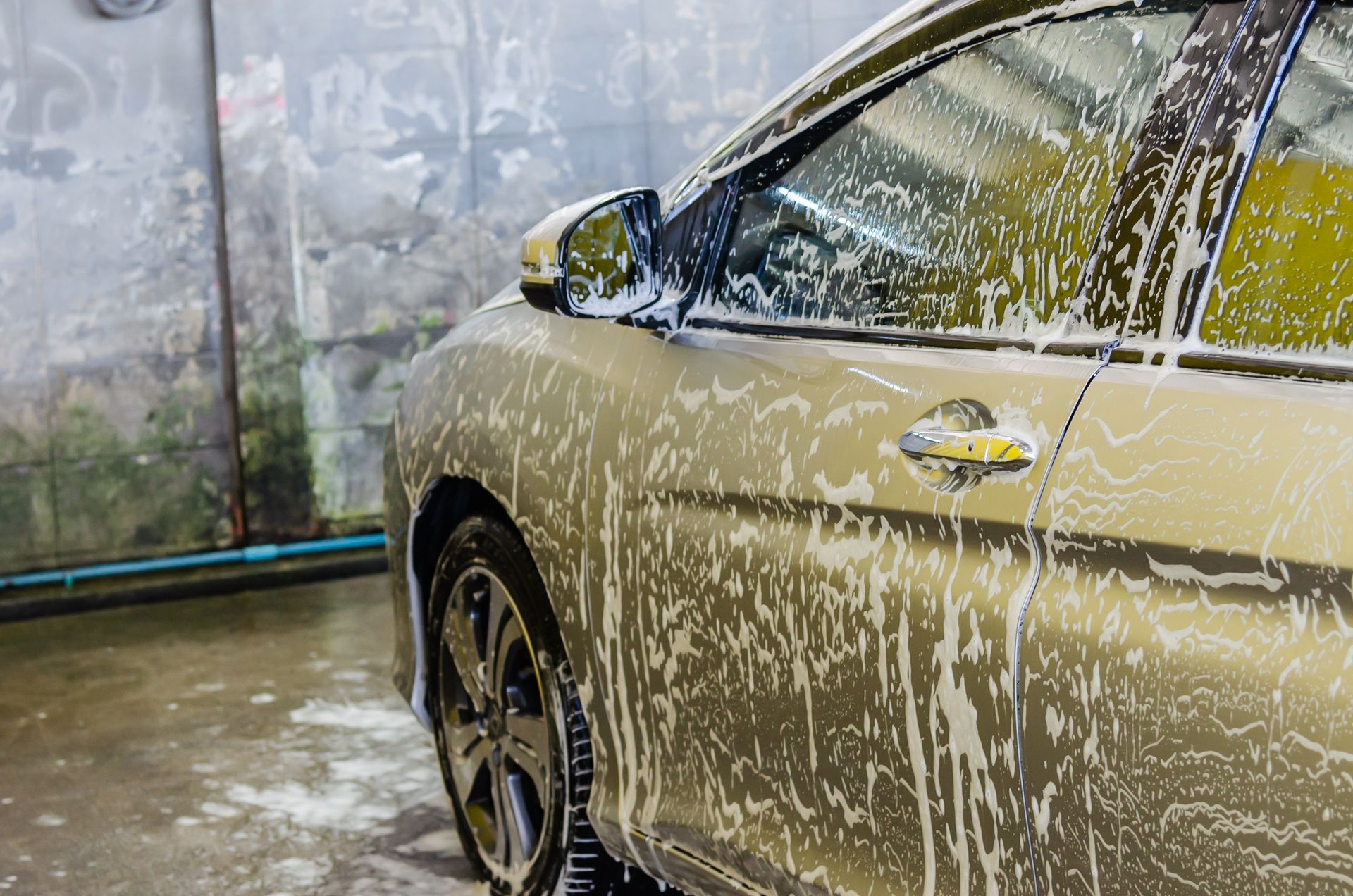
How often to wash your car is one of those questions with a simple answer and a few important exceptions. For most drivers, the rule of thumb is about every two weeks, but your climate, where you park, and what lands on your paint can all change that. A regular wash isn’t just about looks, either. It protects your paint, helps prevent rust, and can even help you spot small problems before they turn into repair bills. Here’s an easy schedule you can follow, with tips tailored to our hot, humid Louisiana weather.
How Often to Wash Your Car: The Basic Rule
For a daily driver in normal conditions, washing your car about every two weeks is a solid default. That’s often enough to clear off dust, road film, and light grime before they bond to the paint. AAA has long suggested washing somewhere between every one to three weeks depending on conditions, and waxing a couple of times a year. If your car is garaged, rarely driven, and kept in a mild climate, you can stretch it to three or four weeks. If it sits outside under trees, or you drive on dusty roads, plan on weekly.
Why Washing Matters More Than You Think
Dirt isn’t the only thing your car picks up. Bird droppings, dead bugs, tree sap, and pollen are all mildly acidic, and when the sun bakes them onto the paint, they can etch into the clear coat and leave permanent marks. Road grime and moisture, especially on the underside of the car, can also speed up rust over time. Regular washing removes these things before they have time to do damage, and a well-kept finish helps your car hold its value.
What Changes Your Schedule
Two weeks is a starting point, not a hard rule. Here’s what should push you to wash more often:
- Parking outside or under trees. Sap, leaves, and bird droppings land on your car within days.
- Pollen season. Heavy pollen can coat a car in a day or two, and wet pollen can be hard on the finish.
- Bug season. Insect splatter bonds quickly in warm weather, and lovebug swarms are a familiar problem across the Gulf South.
- Hot summer weather. Heat bakes contaminants into the paint faster and breaks down wax protection sooner.
- Rain and humidity. Wet climates mean more road film and grime splashing up from the pavement.
- Dusty roads and construction zones. Dust and grit settle quickly and can scratch the paint if you wipe it dry.
- Road salt or coastal air. If you travel to places where roads are salted or you spend time near the coast, wash more often and rinse the underside.
- After storms or flooded roads. Floodwater and mud can get into places you can’t see, so rinse the underside as soon as you can.
A Season-by-Season Guide for Louisiana
In spring, pollen takes over. Washing every one to two weeks keeps it from building up, and a rinse before you wipe helps avoid scratching. In summer, the heat is the main enemy, so wash every one to two weeks and deal with any spots right away. In fall, falling leaves, sap, and the occasional bug swarm mean every two weeks is usually enough, though cars parked under trees may need more. In winter, our mild weather usually means every two to three weeks is fine, unless you’ve been driving on salted roads on a trip north, in which case wash the underside as soon as you get home.
Spot-Clean These Right Away
Some things shouldn’t wait for your next scheduled wash. Bird droppings, bug splatter, tree sap, and tar should be removed within a day or two, especially in summer heat. You don’t need a full wash. Soften the spot with a wet microfiber cloth, then gently lift it off with car-safe soap or a dedicated bug and tar remover. The longer these sit in the sun, the harder they are to remove and the more likely they are to leave a mark.
How to Wash Your Car Without Damaging the Paint
How you wash matters almost as much as how often. A few simple habits help:
- Wash in the shade when the paint is cool, since soap and water dry too quickly in direct sun and leave spots.
- Rinse first to knock off loose dirt and grit before you touch the paint.
- Use car wash soap, not dish soap or household cleaners, which can strip wax and damage the finish.
- Use a clean microfiber mitt and wash from the top down, saving the dirty lower panels and wheels for last.
- Rinse thoroughly and dry with a clean microfiber towel to avoid water spots.
If you use an automatic car wash, touchless options are generally gentler on the paint than older brush-style washes, which can leave fine swirl marks over time.
Don’t Forget the Underside and Wheel Wells
The parts of the car you can’t see are the ones that rust first. Mud, road grime, salt, and floodwater collect in the wheel wells and under the car, and they hold moisture against metal. A quick underbody rinse after driving through flooded roads, off-road trails, or salty conditions is cheap protection against corrosion down the road.
Wax and Protect Between Washes
A good wash removes contaminants, but it doesn’t stop new ones from sticking. Applying wax or a paint sealant every three to four months adds a protective layer that makes dirt, bugs, and droppings easier to remove and helps shield the paint from UV rays. Our summer heat wears wax down faster, so don’t stretch it too far. If your car has a ceramic coating, you’ll still want to wash it every two to four weeks to keep it working the way it should.
Can You Wash Your Car Too Often?
Not really, as long as you wash it the right way. Frequent washing with the right soap, a clean mitt, and gentle drying is fine. The paint damage people blame on washing usually comes from dirty sponges, dish soap, or wiping dust off a dry car, not from the washing itself.
Use Wash Day as a Mini Inspection
Washing your car puts you up close with parts of it you rarely look at. It’s a great time to notice small things before they become big ones. Here’s what to look for:
- Uneven tire wear or low tires, which can signal a need for a wheel alignment or a pressure check.
- Heavy brake dust on one wheel or a grinding sound, which can point to a brake problem worth having checked with brake repair.
- Cracked, hardened, or streaking wiper blades.
- Fresh fluid drips or stains under the car.
- Paint chips and scratches, which can turn into rust if left uncovered.
- Burned-out lights or cracked lenses.
If something looks off, bring it to an auto repair shop before it grows into a bigger problem. A quick wash-day check works hand in hand with your regular oil changes and other preventative car maintenance.
Keep It Simple
You don’t need a complicated routine. Wash every couple of weeks, remove the nasty stuff quickly, wax a few times a year, and rinse the underside when conditions call for it. A little regular care keeps your car looking good and holding its value.
Noticed something unusual while washing your car, like a leak, uneven tire wear, or a squealing brake? Bring your vehicle in, and we’ll take a look. Get in touch with our team and make an appointment.