
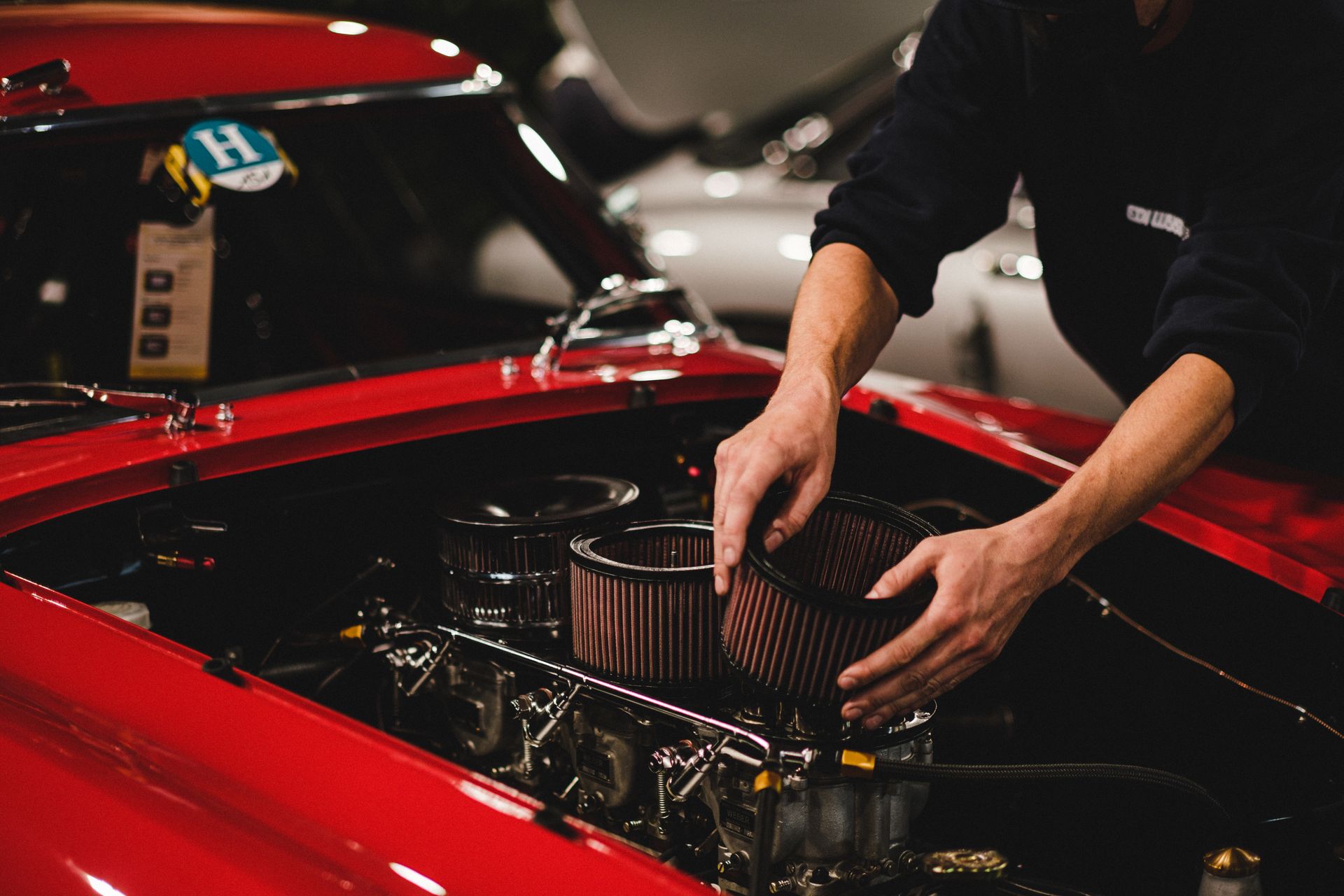
Your car actually has two completely different air filters doing two completely different jobs, and a lot of drivers don’t realize that until a mechanic mentions both during a service visit. Mixing them up, or forgetting one exists entirely, is common. Knowing how often to replace the engine air filter can help you stay ahead of reduced performance, poor fuel economy, and unnecessary engine wear. Here’s a clear breakdown of what each filter does and how often you actually need to replace them.
Two Filters, Two Very Different Jobs
The engine air filter’s job is to keep dirt, dust, and debris out of your engine by filtering the air it pulls in for combustion. A clean air filter means your engine gets the clean airflow it needs to run efficiently, while a clogged one restricts that airflow and can hurt both performance and fuel economy. The cabin air filter, on the other hand, has nothing to do with the engine at all.
It filters the air that comes through the vents, protecting you and your passengers from dust, pollen, and other particles whenever you run the heat or air conditioning. Not every vehicle has a cabin air filter, since it’s a newer feature compared to the engine air filter, but the large majority of vehicles on the road today do.
How Often to Replace the Engine Air Filter
Most manufacturers recommend replacing the engine air filter somewhere between 15,000 and 30,000 miles, though the exact number varies by vehicle and driving conditions. Even on a car that isn’t driven much, it’s still worth replacing the filter at least every three years or so, since the paper or foam material it’s made from can degrade over time regardless of mileage. A good general habit is having the filter inspected at every oil change rather than waiting for a specific mileage number, since a technician can tell at a glance whether it still has life left or needs to be swapped early.
How Often to Replace the Cabin Air Filter
The cabin air filter typically needs attention a bit more often than the engine air filter, generally somewhere in the range of 12,000 to 15,000 miles, or about once a year for most drivers. Since there’s no dashboard warning light for this one, it’s easy to forget about entirely, which is part of why pairing it with your regular oil change or annual service makes it much less likely to slip through the cracks.
What Actually Changes Your Interval
Mileage ranges are a reasonable starting point, but real driving conditions can shift things considerably. Here’s what tends to shorten the interval for either filter:
- Driving in dusty or unpaved areas. Gravel roads and construction zones push far more particulate matter toward both filters than typical paved commuting does.
- High pollen seasons. Spring and fall pollen can clog a cabin air filter noticeably faster, especially for anyone with allergy sensitivities who relies on clean cabin air.
- Heavy traffic and urban pollution. Stop-and-go city driving exposes the cabin filter to more exhaust and particulate pollution than steady highway driving.
- Wildfire smoke or regional air quality events. Periods of heavy smoke in the air can clog a cabin filter considerably faster than normal, sometimes within just a few thousand miles.
- Infrequent driving. A car that sits more than it’s driven should still have its filters replaced based on time rather than mileage alone, since materials degrade regardless of how many miles accumulate.
Signs Your Engine Air Filter Needs Attention
A few noticeable symptoms tend to show up when the engine air filter is overdue. Reduced fuel economy is one of the more common signs, since the engine has to work harder to pull in air through a clogged filter. A noticeable drop in acceleration or overall engine performance can also point toward restricted airflow. In some cases, a particularly dirty filter can even trigger a check engine light if it affects the air-fuel mixture enough for the engine’s sensors to notice.
Signs Your Cabin Air Filter Needs Attention
The cabin air filter tends to announce itself a little differently. Weak airflow from the vents, even with the fan on its highest setting, is one of the clearest signs, since a clogged filter restricts how much air can actually pass through. A musty or unpleasant smell coming from the vents, especially when you first turn on the air conditioning or heat, often points to a filter that’s overdue, or in some cases, one that’s developed mold. Increased fan noise, as the blower motor works harder to push air through a clogged filter, is another common clue.
Why It’s Worth Replacing Rather Than Stretching It
Both filters are relatively inexpensive compared to most other maintenance items, which makes it generally better to replace slightly early than to push an old, clogged filter well past its useful life. A clogged engine air filter costs you in fuel economy and performance in the meantime, while a neglected cabin air filter affects the air you’re actually breathing every time you’re in the car. Neither filter is something worth stretching to save a few dollars, especially given how cheap the parts themselves typically are compared to the labor and parts involved in most other services.
Making It Part of Your Routine
The easiest way to stay on top of both filters is to fold them into your regular preventative car maintenance schedule rather than treating them as separate, easy-to-forget tasks. Since a lot of shops inspect the engine air filter at every oil change anyway, it’s a natural point to also check the cabin filter and replace either one if it’s showing signs of wear, even if it hasn’t technically hit the mileage number yet.
Not sure when either of your filters was last replaced, or noticing weak airflow or a musty smell from the vents? Bring your vehicle in, and we’ll check both filters along with the rest of your routine service. Contact Future Auto Repair to schedule an appointment and keep your vehicle’s maintenance on track.