
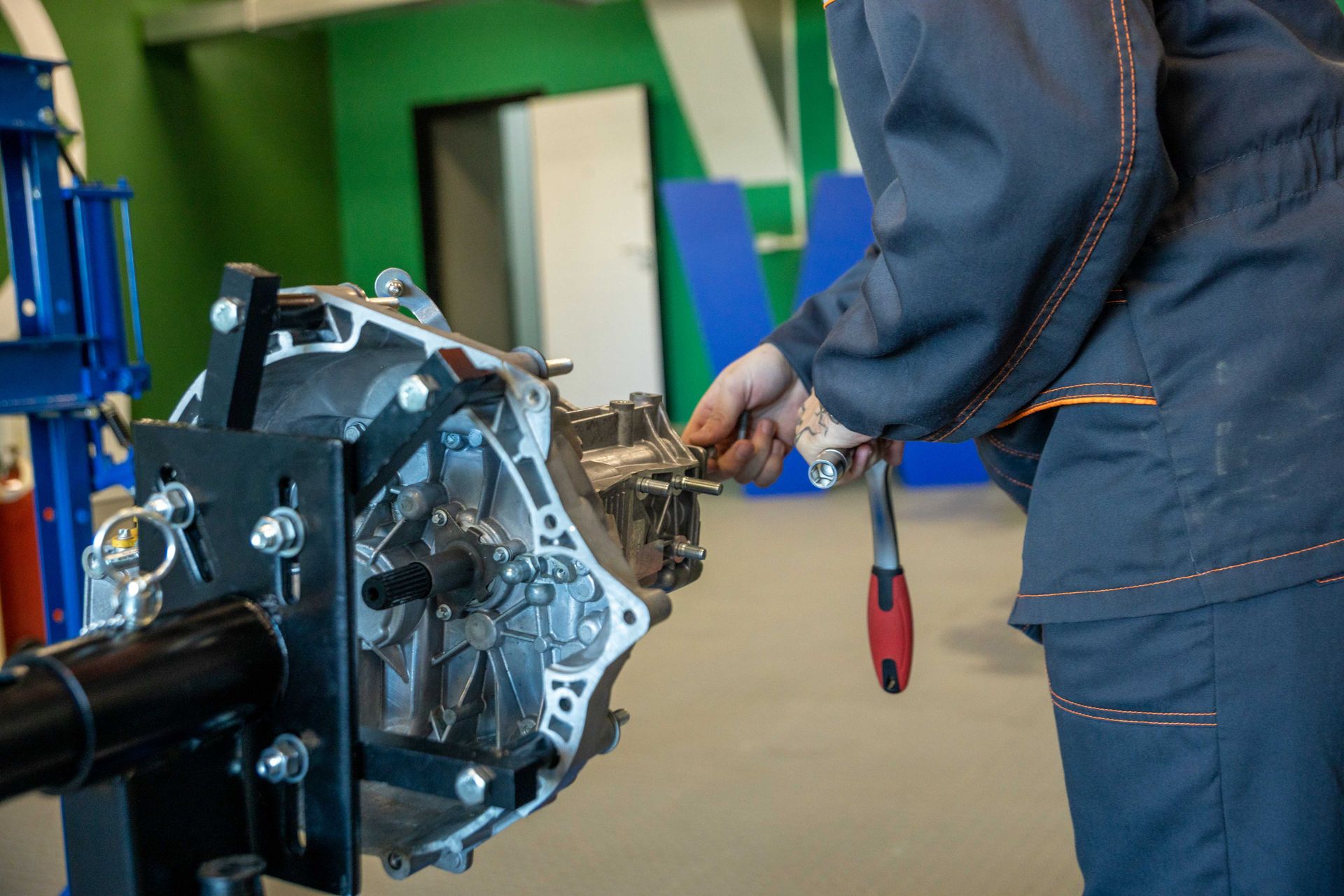
A transmission is one of the most expensive components to repair or replace on any vehicle, which makes “how long does a transmission last” a question worth understanding before you’re stuck with a bad surprise. The honest answer is that it depends heavily on how the car is driven and maintained, but there are some real numbers and patterns worth knowing. Here’s what actually affects transmission lifespan, and what you can do to help yours last as long as possible.
The General Lifespan You Can Expect
Under normal conditions, most transmissions are built to last somewhere between 100,000 and 200,000 miles, though this varies quite a bit depending on the vehicle, the type of transmission, and how it’s treated over the years.
Some well-maintained transmissions in reliable vehicles can go well past 200,000 miles without major issues, while others facing tougher conditions or inconsistent maintenance may start showing serious problems far earlier. There isn’t one universal number that applies to every car, which is part of why paying attention to how your transmission is actually behaving matters more than fixating on mileage alone.
What Actually Shortens a Transmission’s Life
Several factors have an outsized effect on how long a transmission holds up, and most of them come down to either maintenance habits or driving conditions. The good news is that none of these are mysterious or out of your control. Once you know what to watch for, it becomes a lot easier to spot the habits or situations that are quietly wearing down your transmission faster than they should. Here’s what tends to cause the most damage over time:
- Skipping fluid changes. Transmission fluid breaks down over time, losing its ability to lubricate and cool internal components. Going too long between changes is one of the most common ways drivers unintentionally shorten their transmission’s lifespan.
- Frequent towing or hauling heavy loads. Towing puts significant extra strain on a transmission, generating more heat and wear than normal driving, especially if the vehicle isn’t rated for the load or the fluid isn’t changed more frequently as a result.
- Stop-and-go city driving. Constant shifting between gears in heavy traffic creates more wear over time compared to steady highway driving, where the transmission can settle into a consistent gear for longer stretches.
- Ignoring early warning signs. Ignoring a slipping, hesitating, or rough-shifting transmission for too long often turns a manageable repair into a much more serious, expensive one.
- Extreme heat exposure. Hot climates and stop-and-go traffic both raise transmission fluid temperature, and repeated exposure to high heat accelerates fluid breakdown and internal wear.
- Aggressive driving habits. Hard acceleration, frequent hard braking, and rapid shifting between drive and reverse all put extra stress on a transmission’s internal components.
Why Fluid Condition Matters So Much
If there’s one factor that has the biggest impact on transmission lifespan, it’s the condition of the fluid inside it. Transmission fluid is a lubricant, but it also helps cool internal components and maintain the hydraulic pressure needed for smooth shifting. As it breaks down, it loses these properties, and metal components inside the transmission start experiencing more friction and heat than they’re designed to handle.
This is part of why sticking to your recommended transmission fluid change interval is one of the single most effective things you can do to extend your transmission’s life, especially if you tow, drive in extreme heat, or spend a lot of time in stop-and-go traffic.
Manual vs. Automatic Lifespan Differences
Manual and automatic transmissions tend to fail for somewhat different reasons. Manual transmissions often see their lifespan shortened by clutch wear, which is heavily influenced by driving habits like riding the clutch or aggressive shifting.
Automatic transmissions are more dependent on fluid condition and the health of components like the torque converter, making fluid maintenance an even bigger factor in how long they last. Neither type is inherently more durable than the other, but the specific habits that shorten their lifespan look a little different.
Warning Signs Your Transmission Is Nearing the End
A transmission rarely fails without warning. Slipping gears, delayed engagement when shifting from park to drive, rough or jerky shifts, unusual noises, or fluid that looks dark and smells burnt are all signs that something is wearing down inside. Catching these signs early and getting transmission repair sooner rather than later is often the difference between a manageable repair and a full rebuild or replacement.
How to Help Your Transmission Last Longer
The good news is that a lot of what shortens transmission lifespan is within your control. Sticking to your manufacturer’s recommended fluid change interval is the single biggest thing you can do, especially if your driving habits include towing, heavy traffic, or extreme heat.
Avoiding unnecessary towing beyond what your vehicle is rated for, easing into acceleration rather than flooring it constantly, and coming to a complete stop before shifting between drive and reverse all reduce unnecessary strain. General preventative car maintenance, including regular inspections, also helps catch small issues before they turn into major transmission problems.
Getting the Most Out of Your Transmission
There’s no way to guarantee an exact number of miles out of any transmission, but consistent maintenance and mindful driving habits go a long way toward getting the most life out of yours. Paying attention to how your car shifts, addressing problems early, and staying on top of fluid changes are the most reliable ways to avoid an early, expensive failure.
Not sure how much life is left in your transmission, or when you last had the fluid changed? Bring your vehicle in, and we’ll check it out and let you know exactly where things stand. Contact us today to schedule an appointment.