
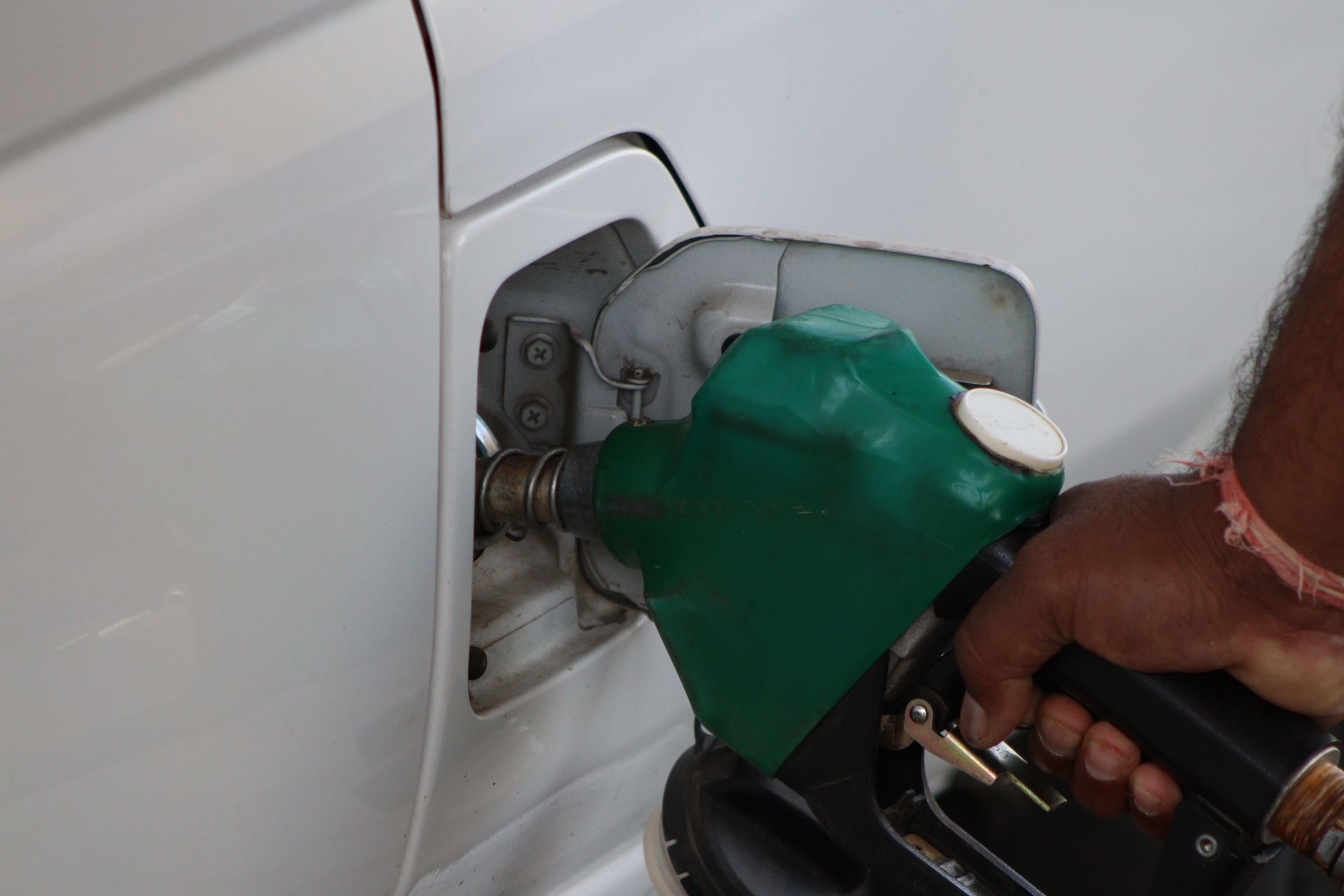
Smart upgrade or just another line on the bill? That’s what many drivers wonder when a service advisor suggests fuel system cleaning. The honest answer depends on your engine, your driving habits, and any symptoms you’ve noticed. Let’s break down what it does, when it helps, and when you can skip it.
What a Fuel System Cleaning Actually Does
Over time, tiny deposits can build up in your fuel system. Fuel injectors, which spray a precise mist of gasoline into your engine, have extremely small openings, and even a thin layer of varnish or carbon can disturb that spray pattern. When the spray gets uneven, the engine can burn fuel less efficiently, which can affect smoothness, power, and fuel economy.
A fuel system cleaning uses a concentrated cleaning solution, applied through the fuel system, to dissolve those deposits and restore a cleaner spray pattern. It’s different from the bottle of fuel additive you pour into your tank yourself, which is far more diluted.
Do Manufacturers Recommend It?
This is where things get interesting. Fuel system cleaning is often recommended by shops and dealerships, but regular cleaning as a preventative measure isn’t typically listed in manufacturers’ maintenance schedules. That doesn’t mean it’s never useful. It means that for many vehicles, it’s something you do when there’s a reason to, rather than every certain number of miles. In many cases, simply using good-quality gasoline and the occasional bottle of fuel injector cleaner is enough to keep injectors in good shape.
Why Your Gas Matters More Than You Might Think
Detergent additives have been required in gasoline for decades, but the amount of detergent can vary from brand to brand. The gasoline brands that carry the Top Tier label use a higher level of detergent and have to pass independent testing, including tests related to injector fouling, intake valve deposits, and combustion chamber deposits. Using Top Tier fuel most of the time is one of the simplest, cheapest ways to help keep your fuel system cleaner from the start, and for many drivers with port-injected engines, it greatly reduces the need for any extra cleaning.
The Direct Injection Wrinkle
Many newer engines use gasoline direct injection, or GDI, which sprays fuel directly into the combustion chamber instead of onto the back of the intake valves. This design improves power and efficiency, but it has a side effect. In older port-injected engines, the fuel spray constantly washed over the intake valves and helped keep them clean.
In a direct-injection engine, that washing doesn’t happen, so carbon deposits can build up on the valves over time. This is common on many modern vehicles, including a number of popular European models, and a shop with real European auto repair experience will recognize it quickly.
Here’s the catch: fuel additives and standard fuel system cleaning services generally can’t clean those intake valve deposits, because the fuel never touches them. Removing that buildup typically calls for a different type of service, such as a manual cleaning or walnut-shell blasting, which is more involved. Direct-injection injectors themselves can still collect deposits, though, so keeping the fuel system clean still has value.
Signs Your Fuel System Might Need Attention
You don’t need to guess. Your car will usually tell you when something’s off, and these are the symptoms most often linked to dirty injectors and fuel system deposits:
- Rough idling, where the engine shakes, or the RPMs bounce at a stop.
- Hesitation or stumbling when you press the gas pedal, especially during acceleration.
- Misfires, which can feel like a brief stutter or jerk and may trigger the check engine light.
- Reduced fuel economy that you can’t explain by driving habits, weather, or tire pressure.
- Sluggish acceleration or a general loss of power.
- Hard starting or occasional stalling, particularly in cars that sit for long periods or get driven only occasionally.
These symptoms don’t always point to dirty injectors, though. Worn spark plugs, vacuum leaks, failing sensors, and many other issues can cause the exact same problems, which is why a proper diagnosis comes first.
Why Diagnosis Comes Before Cleaning
It can be tempting to treat a rough-running engine with a quick cleaning and hope for the best. But if the real cause is something else, you’ll spend money, and the problem will still be there. A good shop will start with engine diagnostics, scanning for codes, checking live data, and looking at things like fuel trims and misfire counts before recommending a cleaning. If the diagnosis points toward dirty injectors or deposits, a cleaning makes sense. If it points to a different component, you’ve saved yourself from an unnecessary service.
When a Fuel System Cleaning Makes Sense
A cleaning is most likely to be worthwhile in a few situations. If your car is showing symptoms like rough idle, hesitation, or misfires and diagnostics point toward fuel delivery, it’s a reasonable first step. Vehicles that sit for long stretches or are used mostly for short trips are more prone to deposit buildup.
High-mileage vehicles that have never had the fuel system serviced may also benefit, and so can cars that have been filled with lower-quality fuel for years. For diesel trucks, the stakes are higher, since modern diesel injectors are extremely precise and sensitive to contamination, and a shop experienced in diesel repair can evaluate injector performance on engines like the Cummins, Duramax, and Power Stroke.
When You Can Probably Skip It
If your car runs smoothly, gets the fuel economy you’d expect, and has no warning lights, a cleaning is unlikely to make a noticeable difference. For many drivers, using Top Tier gasoline, keeping up with your regular oil changes and scheduled maintenance, and replacing the fuel filter if your vehicle has a serviceable one will do more for the long-term health of the fuel system than a cleaning performed on a fixed schedule. It’s perfectly reasonable to ask a shop why they’re recommending a cleaning and what symptom or finding it’s addressing.
What You Can Do on Your Own
A few simple habits go a long way. Fill up with Top Tier fuel when you can. Avoid running the tank down to empty on a regular basis, since sediment tends to collect at the bottom of the tank and can be drawn into the fuel system. If a vehicle will sit for a long time, consider a fuel stabilizer. An occasional bottle of quality fuel injector cleaner can help supplement a good fuel, but it isn’t a substitute for a proper repair if the car is already running poorly.
Keep It in Perspective
Fuel system cleaning isn’t a miracle fix, and it isn’t a scam. It’s a smart tool when your car shows real symptoms. It does very little when nothing is wrong. The trick is matching the service to the problem. Good fuel, regular preventative car maintenance, and an honest diagnosis keep your engine happy. They also keep your wallet safe from services you don’t need.
Not sure if your car needs fuel system cleaning? Bring it to Future Auto Repair. We’ll start with a proper diagnosis, then tell you exactly what it needs and what it doesn’t. Contact us or stop by today to schedule your appointment.