
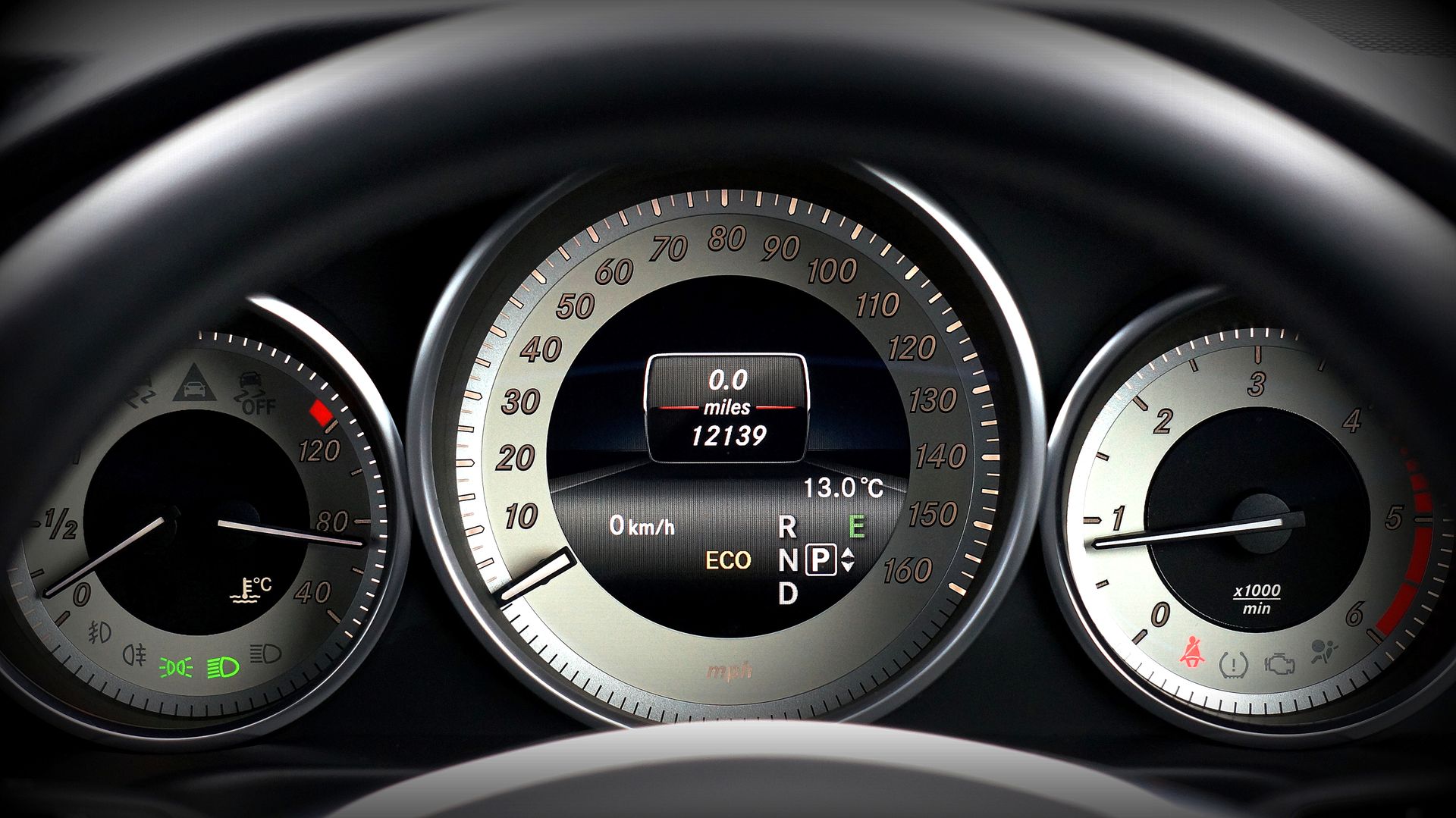
Your dashboard can light up like a Christmas tree, and most drivers have no idea which lights are a minor heads-up and which ones mean your car is in real trouble. The good news is that there’s a simple rule of thumb that covers most situations with dashboard warning lights. Once you know the handful of lights that truly demand immediate action, the rest of the dashboard gets a lot less intimidating. Here’s how to tell the difference, and what to do when each of the major warning lights comes on.
The Color Rule That Covers Most Situations
Dashboard warning lights are color-coded in a way that works a lot like a traffic light. Red means something serious is going on and you should find a safe place to stop as soon as you can. Yellow or amber means something needs attention soon, but you’re generally okay to keep driving carefully to a repair shop.
Green and blue lights are usually just informational, letting you know a system like your headlights or cruise control is turned on. Keep in mind that the exact symbols and colors can vary a bit between manufacturers, so your owner’s manual is always worth a look, but this color rule holds up across the vast majority of vehicles.
The Red Lights – Pull Over Now
These are the warning lights that mean stop driving as soon as it’s safe to do so. Continuing to drive with any of them on can lead to severe damage, a breakdown, or a safety hazard.
Oil Pressure Warning Light
This light looks like an old-fashioned oil can with a drip coming out of the spout. It’s one of the most serious lights on your dashboard, and it’s often misunderstood. It doesn’t just mean you’re a quart low and need to top off the oil. It means oil isn’t circulating through your engine at the pressure it needs, which means metal parts can start grinding against each other almost immediately.
Engine damage can happen within minutes. If this light comes on while you’re driving, pull over safely, shut off the engine, and don’t restart it until you’ve checked the oil level. If the level looks fine, or if the light comes back on after adding oil, the car needs to be towed rather than driven, since the problem could be a failing oil pump or a blockage.
Brake System Warning Light
This light is usually a red circle with an exclamation point inside it, and sometimes the word “BRAKE” appears instead. The first thing to check is whether your parking brake is still engaged, since that’s the most common and harmless reason for it to come on. If the parking brake is fully released and the light stays on, it could mean low brake fluid, worn brake pads, or a problem with the hydraulic system itself.
Any of these affect your ability to stop, so this isn’t a light to drive on. If your brake pedal feels soft, spongy, or sinks toward the floor, don’t keep driving. Have the vehicle towed to a shop for brake repair.
Engine Temperature Warning Light
This one typically looks like a thermometer sitting in wavy lines, and when it’s red, it means your engine is overheating. Driving even a short distance on an overheated engine can warp the cylinder head, blow a head gasket, or seize the engine entirely, all of which are very expensive repairs.
Pull over as soon as it’s safe, turn off the engine, and let it cool down completely before checking anything. Never open the radiator cap on a hot engine, since the pressurized coolant can cause serious burns. Common causes include low coolant, a failing water pump, a stuck thermostat, or a leaking radiator, and a shop can track down the exact cause and handle any needed radiator repair.
Battery and Charging System Light
This light looks like a small battery with plus and minus symbols. When it comes on while you’re driving, it usually means the charging system isn’t doing its job, and your car is running purely off the remaining battery charge. That could point to a failing alternator, a worn or broken serpentine belt, or a loose connection.
You may have anywhere from a few minutes to a short drive before the car shuts down completely, so it’s best to get somewhere safe rather than risk stalling in traffic. A shop can run car battery testing and check the alternator to figure out what’s going on, and alternator repair or replacement is often the fix.
Transmission Temperature Warning Light
Some vehicles have a separate warning for an overheated transmission, usually shown as a thermometer inside a gear. It often comes on after heavy towing, long climbs, or when transmission fluid is low or degraded. If it appears, pull over, let the vehicle idle in park or shut it off to allow things to cool, and avoid continuing to push the transmission hard. Ignoring it can lead to serious internal damage that calls for major transmission repair.
Airbag Warning Light
This light shows a seated person with a circle in front of them. If it stays on after you start the car, it means there’s a fault in the airbag or restraint system, and the airbags may not deploy in a crash. While the car is usually still drivable, it’s a safety issue that shouldn’t wait.
The Yellow and Amber Lights: Handle Soon
These lights don’t usually mean you need to stop immediately, but they shouldn’t be ignored either. Left alone, small issues have a way of turning into bigger ones. Here’s what the most common ones mean:
- Check engine light. A solid light means the engine computer has detected an issue with the engine or emissions system. It could be something minor like a loose gas cap or something more serious like a failing catalytic converter, and you won’t know without having the codes read. A flashing check engine light is different. It signals an active misfire that can quickly damage the catalytic converter, and it should be treated like a red light.
- ABS warning light. This means there’s a fault in the anti-lock braking system. Your regular brakes will usually still work, but the ABS won’t kick in during a hard stop, which matters most on wet or slippery roads. It’s worth having looked at soon, especially if the regular brake light isn’t also on.
- Tire pressure warning light. This usually means one or more tires are low on air. It’s a common sight on cold mornings, but it should be checked rather than assumed to be harmless.
- Traction control or stability control light. A flashing light often means the system is actively working on slippery roads, while a solid light can point to a fault in the system or a sensor.
- Hybrid system warning. On hybrids, this indicates a fault somewhere in the hybrid system, which can range from minor to serious, so it deserves a proper diagnosis from a shop experienced in hybrid car repair.
- Maintenance reminder or wrench light. This is typically just a reminder that a service, like an oil change, is due.
What About a Warning Light That Comes and Goes?
An intermittent warning light can be tempting to ignore, especially if it disappears after you restart the car. But a light that flickers on and off usually means the underlying issue is real and just not constant. Loose connections, failing sensors, and early-stage electrical problems often show up this way, and a shop with auto electrical repair experience can track down the cause before it becomes a more reliable and more expensive failure.
Why You Shouldn’t Just Clear the Light
Some drivers have the check engine light cleared at a parts store or disconnect the battery to reset it, assuming that makes the problem go away. It doesn’t. All it does is erase the evidence, and the light usually comes right back if the underlying problem is still there. Reading and understanding the stored codes is the first step in a proper diagnosis, and that’s where real engine diagnostics comes in, helping pinpoint exactly what’s triggering the warning instead of guessing.
What to Do When a Warning Light Comes On
When any light appears, take a breath and note the color first. If it’s red, find a safe place to pull over, turn off the engine, and assess before continuing. If it’s yellow, it’s generally safe to continue to your destination or a shop, but don’t put it off for weeks. In either case, notice whether the car is behaving differently, such as odd noises, burning smells, changes in power, or unusual vibrations, since those details help a technician diagnose the issue faster. When in doubt, it’s always safer to have the vehicle towed than to risk a breakdown or serious engine damage.
Prevention Is the Best Policy
Many warning lights are avoidable with regular preventative car maintenance. Keeping up with oil changes, checking fluid levels, replacing worn brake pads before they fail, and having belts and hoses inspected can prevent a lot of the red lights from ever coming on. A routine inspection at a trusted auto repair shop is one of the best ways to catch small problems before they trigger a warning on your dashboard.
Not sure what that dashboard warning light means? Don’t leave it to chance. Contact Future Auto Repair, and we’ll diagnose the issue, explain what needs attention, and help you avoid more costly repairs down the road. Get in touch with our team or stop by to schedule your appointment today.