
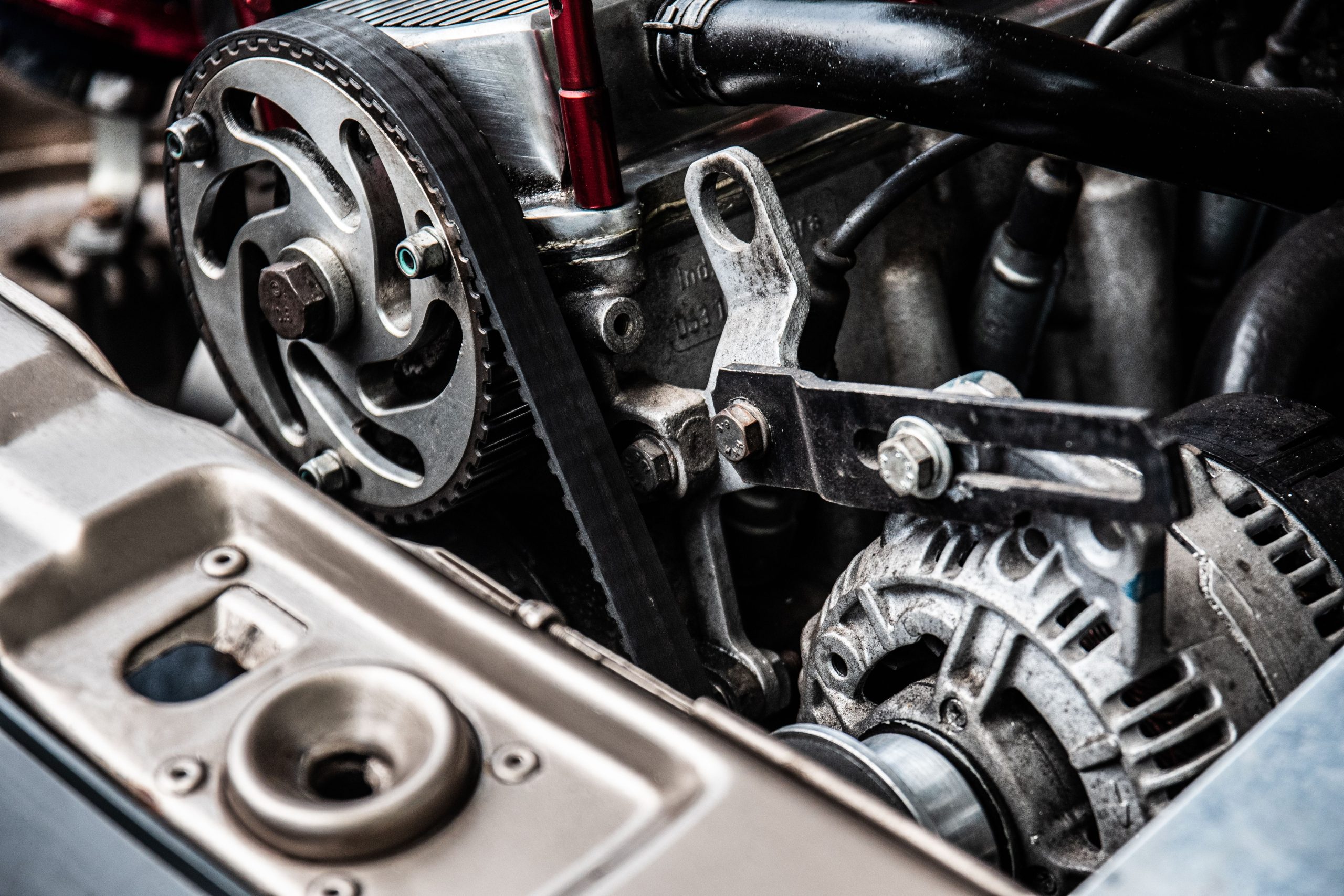
Warning signs of alternator failure often appear long before your vehicle leaves you stranded. Dimming lights, electrical problems, strange noises, or difficulty starting are all warning signs that your charging system may be failing. But here’s the thing: alternators rarely fail without warning. They usually give you a handful of clues in the days or weeks beforehand, and you just have to know what to look for.
At Future Auto Repair, this is one of the most common issues we see roll into the shop, and it’s also one of the easiest to catch early if you know the signs. Let’s walk through the top five red flags that your alternator is on its way out.
What Does the Alternator Actually Do?
Quick refresher before we dive in: your alternator is what keeps your battery charged while the engine runs. It also powers your lights, radio, power windows, and every other electrical system in your car. Your battery gets things started, but the alternator is what keeps the lights on (literally) for the rest of the drive.
When the alternator starts to fail, your car is essentially running on borrowed time and a dying battery. Here’s how to spot it before you’re stuck on the side of the road.
1. Dimming or Flickering Headlights
This is usually the very first sign people notice, especially at night. If your headlights seem dimmer than usual, flicker when you rev the engine, or pulse in brightness at idle, your alternator likely isn’t putting out a steady, sufficient charge.
You might also notice your dashboard lights or interior lights doing the same thing. Any electrical component that flickers, dims, or brightens inconsistently while you’re driving is a strong clue that the alternator is struggling to keep up with demand.
2. A Dead or Constantly Draining Battery
Here’s a mistake a lot of drivers make: they jump-start a dead battery, assume the battery itself is bad, replace it, and then find themselves stuck again a few weeks later. Often, the real problem was never the battery. It was an alternator that wasn’t charging it properly in the first place.
If you’re needing frequent jump-starts, or your battery seems to drain overnight even after a full day of driving, it’s worth getting both the battery and the alternator checked together. Car battery testing paired with an alternator check gives you the full picture instead of guessing.
3. Strange Noises Under the Hood
A failing alternator often makes itself known through sound before it makes itself known through symptoms. Listen for a high-pitched whining or squealing, which can point to a worn serpentine belt or pulley connected to the alternator. A growling or grinding noise, on the other hand, often means the internal bearings are wearing out.
These noises tend to get louder as you press the gas and the engine revs higher, since the alternator spins faster along with it.
4. A Burning Rubber or Hot Wiring Smell
If you catch a whiff of burning rubber, it could mean the belt driving the alternator is slipping or overheating from friction. A hot, electrical, almost “hot wire” smell can point to the alternator itself overheating internally, which is a more serious warning sign.
Either smell is worth taking seriously. It means something under the hood is working harder than it should, and continuing to drive on it can lead to a full breakdown or, in rare cases, electrical damage to other components.
5. The Battery Warning Light Comes On
That little battery-shaped icon on your dashboard doesn’t just mean “check the battery.” In most cases, it’s actually your car’s way of flagging a charging system problem, which almost always traces back to the alternator. Some vehicles will display “ALT” or “GEN” (short for generator) instead, but they mean the same thing.
Don’t ignore this light or assume it will go away. It typically means your car is currently running on stored battery power alone, and once that runs out, the car will stall and won’t restart until the charging issue is fixed.
Quick Checklist: Is It the Alternator or the Battery?
Alternator and battery problems are often confused because they can cause many of the same symptoms, including trouble starting your vehicle and electrical issues. The key difference is that the battery provides the power needed to start the engine, while the alternator keeps the battery charged and supplies power to your vehicle’s electrical systems once the engine is running.
Since alternator and battery problems can look similar, here’s a fast way to tell them apart:
- Car struggles to start but runs fine once it does – Often a battery issue.
- Car starts fine but stalls or dies while driving – Often an alternator issue.
- Headlights and dash lights flicker or dim while driving – Points to the alternator.
- Jump-start works, but the problem returns within days – Points to the alternator.
- Whining, squealing, or grinding noise from the engine bay – Points to the alternator or its belt.
- The battery or “ALT” warning light is on – Get the charging system tested right away.
Why You Shouldn’t Wait
A failing alternator doesn’t just leave you stranded, but can take other systems down with it. Low or inconsistent voltage puts extra strain on your battery, your electrical components, and even sensors tied to your engine’s computer. What starts as a flickering headlight can turn into a car that won’t start at all, often at the worst possible time.
The good news is that alternator repair is a very manageable fix when it’s caught early, especially compared to the cost and hassle of a tow truck and an unexpected breakdown.
Contact Us If You Notice Any Signs of Alternator Failure
If you’ve noticed any of these five signs, don’t wait for your car to make the decision for you. Bring it in to Future Auto Repair and let our team run a full check of your charging system, battery, and alternator so you know exactly what’s going on. We’ll walk you through what we find in plain English, give you an honest recommendation, and get you back on the road with confidence.
Contact us or stop by Future Auto Repair today to schedule your alternator check. A quick inspection now can save you from a dead battery, a stalled car, and a much bigger repair bill down the line.